Polish
  English
  Arabic
  Chinese
  French
  German
  Portuguese
  Russian
  Spanish
  Italian
Wybieranie Papier sublimacyjny Na początku wygląda to łatwo. Ale gdy produkcja się rozpocznie, drobne problemy z papierem mogą prowadzić do matowych kolorów, mokrych rolek, efektu ghostingu, rozmycia krawędzi lub marnowania materiału. W druku sublimacyjnym papier to nie tylko nośnik. Wpływa on na to, jak schnie tusz, jak czysto kolory się przenoszą i jak stabilna jest każda partia.
HOLDWIN jest wiodącym producentem druku cyfrowego specjalizującym się w druku o dużej prędkości drukarki sublimacyjne, sprzęt do wymiany ciepła, tusze premium, i przemysłowe materiały eksploatacyjne. Zaprojektowane specjalnie do produkcji wielkoseryjnej, nasze najwyższej jakości Papier sublimacyjny charakteryzuje się technologią natychmiastowego schnięcia i maksymalnym uwalnianiem tuszu, co gwarantuje żywe, nieskazitelne transfery za każdym razem.
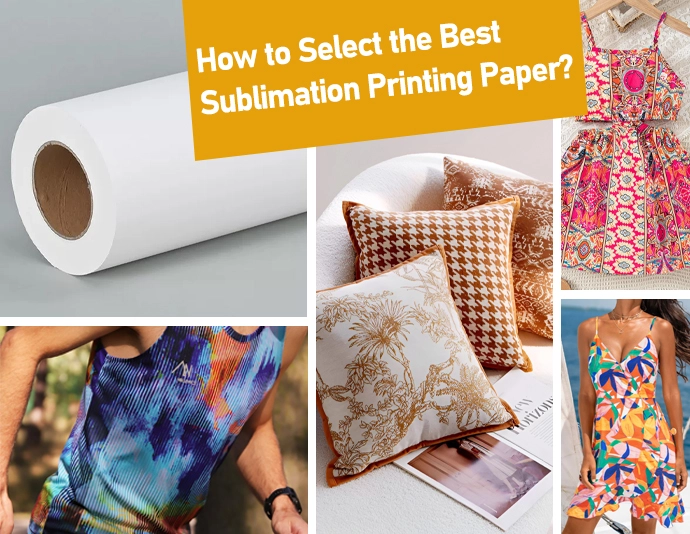
Dlaczego jakość papieru wpływa na codzienną wydajność?
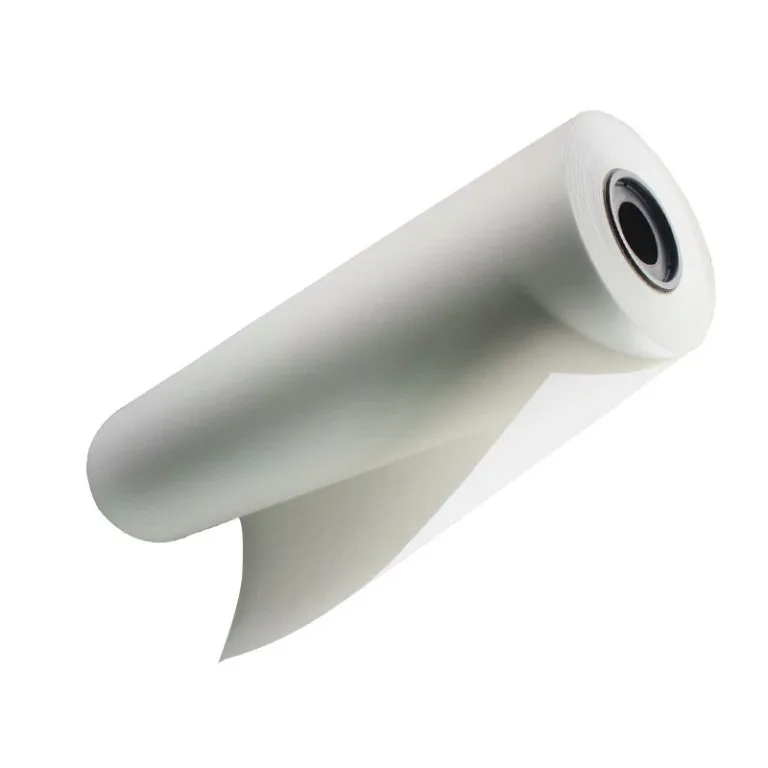
Codziennie drukowanie sublimacyjne, Jakość papieru bezpośrednio wpływa na spójność kolorów, szybkość schnięcia i ilość odpadów produkcyjnych. Dobry Papier sublimacyjny powinien trzymać tusz Równomiernie podczas drukowania, a następnie płynnie uwalniać barwnik pod wpływem ciepła i nacisku. Pomaga to zachować ostrość krawędzi, stabilność kolorów i łatwiejszą kontrolę nad powtarzającymi się zamówieniami.
Problem często pojawia się, gdy produkcja przechodzi z małych próbek do zamówień. Proste logo może wyglądać dobrze, ale panele na odzieży sportowej o pełnej szerokości, ciemne grafiki, zasłony lub miękkie szyldy mogą szybko uwidocznić rozmazywanie, smużenie, nierównomierne rozprowadzanie lub matowe kolory. Problemy te wpływają nie tylko na wygląd. Mogą również prowadzić do marnowania materiału, dodatkowej pracy, opóźnień w dostawie i wyższych kosztów przedruku.
Papier transferowy HOLDWIN Premium High-Speed do sublimacji zapewnia natychmiastowe schnięcie i wysoką wydajność uwalniania, dzięki czemu łatwiej jest obsługiwać druk ciągły i rzadziej przerywać produkcję.
Kluczowe czynniki przed zakupem papieru sublimacyjnego
Dobry wybór zaczyna się od drukarki, tuszu, materiału i rodzaju zamówienia. Jedna gramatura papieru nie zaspokoi wszystkich potrzeb produkcyjnych, nawet jeśli wygląda wygodnie na papierze. Niektórzy operatorzy nadal używają jednej rolki „do wszystkiego”, ale ten nawyk często prowadzi do ukrytych strat.
Dopasowanie drukarki, tuszu i materiału
Sprawdź szerokość wydruku, tusz przed zakupem sprawdź ustawienia objętości, systemu nawijania i prasy termotransferowej. Drukarki sublimacyjne HOLDWIN Wykorzystują papier termotransferowy jako nośnik druku i są przeznaczone do druku na tekstyliach, takich jak odzież, próbki tkanin, koszule, torby płócienne, flagi i miękkie elementy dekoracyjne. W przypadku maszyn szybkobieżnych potrzebny jest również papier, który płynnie przechodzi przez systemy podawania i nawijania.
Szybkość suszenia i szybkość uwalniania
Szybkie suszenie jest kluczowe, gdy zadrukowane rolki są natychmiast nawijane na przemysłowe systemy odbiorcze. HOLDWINTechnologia natychmiastowego schnięcia zapobiega rozmazywaniu się tuszu i jego przesuwaniu podczas produkcji z dużą prędkością.
Porównanie rodzajów papieru sublimacyjnego
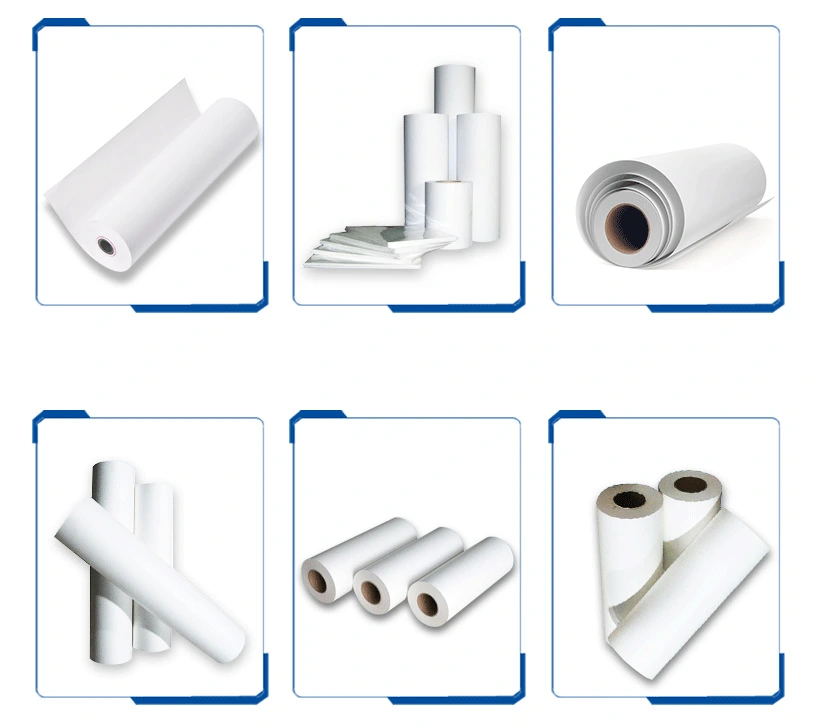
| Rodzaj papieru | Zakres gramatury papieru Holdwin | Główna zaleta |
| Papier lekki | 29 g/m2, 35 g/m2, 45 g/m2 | Niska waga, szybkie przetwarzanie, odpowiednie do dużych nakładów na tekstylia |
| Średni papier | 50 g/m2, 70 g/m2 | Zrównoważona stabilność i absorpcja tuszu |
| Gruby papier | 90 g/m2, 100 g/m2 | Obsługuje większe obciążenie tuszem i pomaga zmniejszyć zwijanie się |
UWAGA: Przy takim samym stężeniu tuszu, grubszy papier może pomieścić więcej tuszu, co przekłada się na jaśniejsze kolory po transferze. Dlatego to nie produkt decyduje o gramaturze papieru, ale kolor.