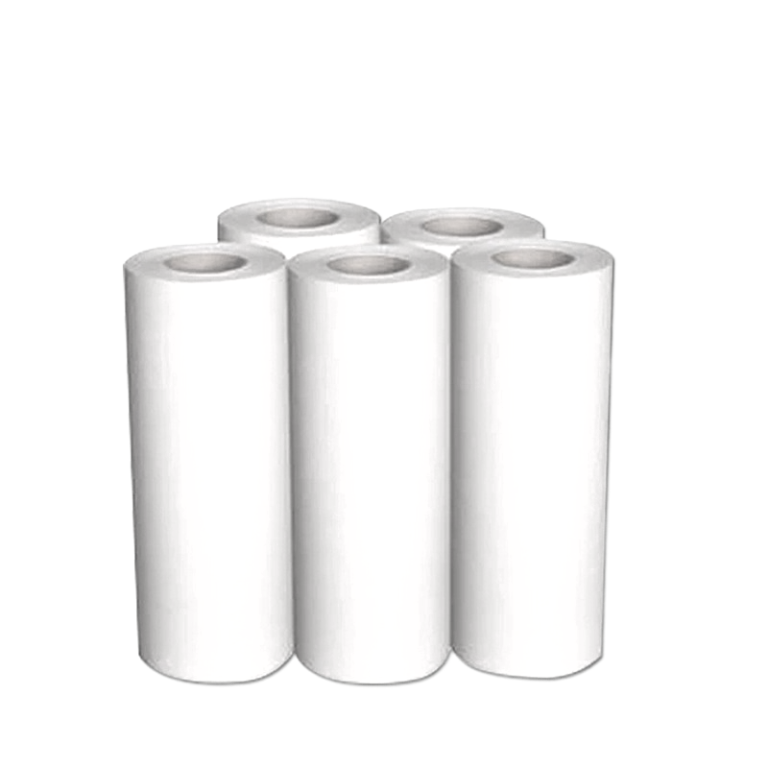
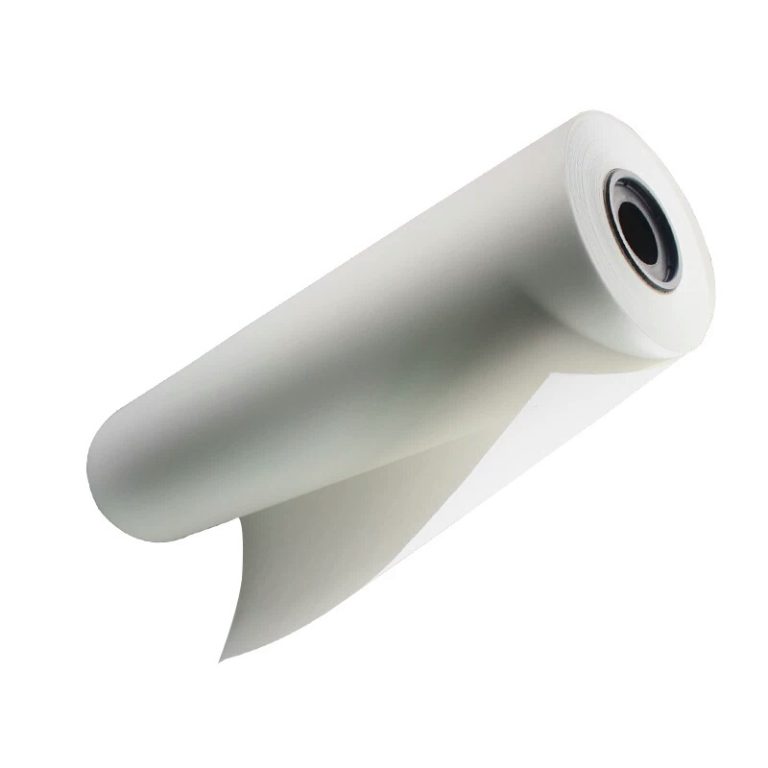
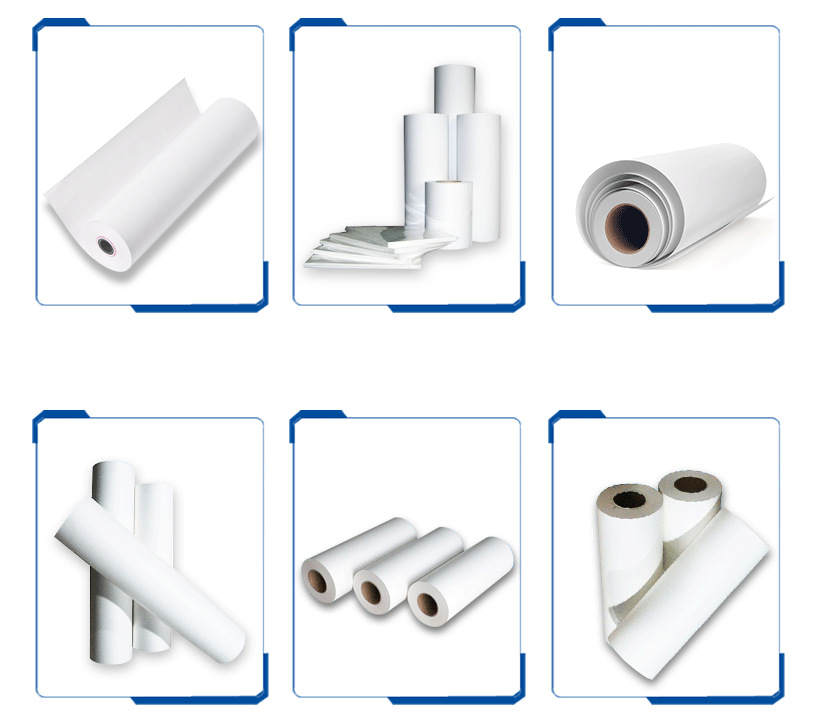
Produkt : HOLDWIN Premium High-Speed Sublimation Transfer Paper
Key Specification : Instant Dry & High Release for Industrial Printing
Available Weights : 29gsm, 35gsm, 45gsm, 50gsm, 70gsm, 90gsm, 100gsm
What is Heat Transfer Paper?
Heat transfer paper is uniquely coated to transfer printed images onto fabric through heat and pressure. This process guarantees that the design adheres securely to the fabric, resulting in a long-lasting and vivid print. It also works exceptionally well on polyester-blend fabrics, making them perfect for athletic and mixed-material clothing.
In industrial textile printing, speed is of little value without stability. The HOLDWIN High-Speed Sublimation Paper is engineered to link industrial production with photographic quality. Learning to master heat transfer paper opens up a world of creative options for customizing fabrics.
How Does Heat Transfer Paper Work?
1. Printing
2. Heat and Pressure
3. Transfer
4. Peeling
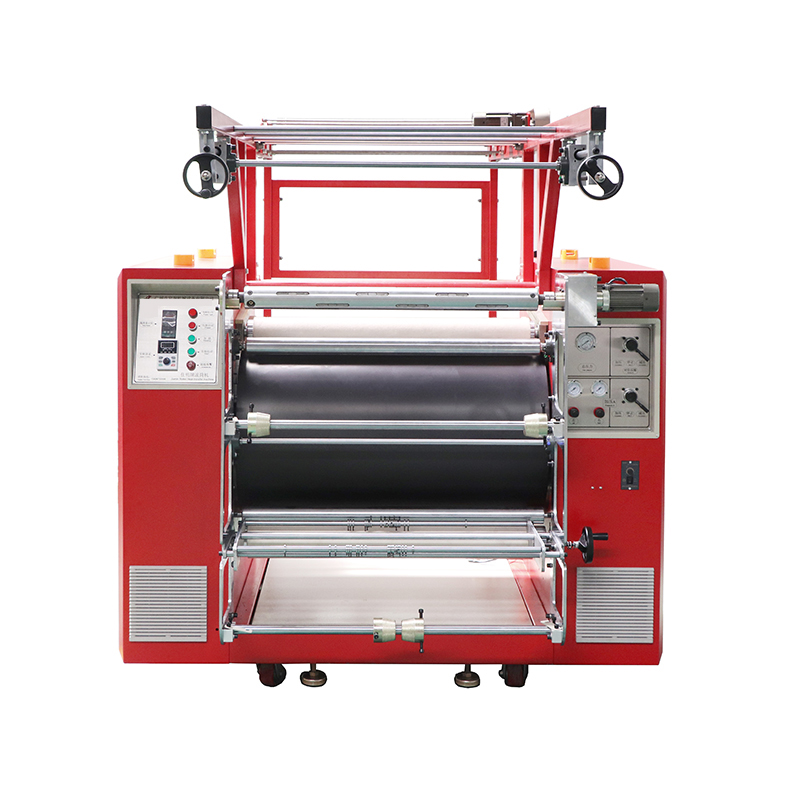
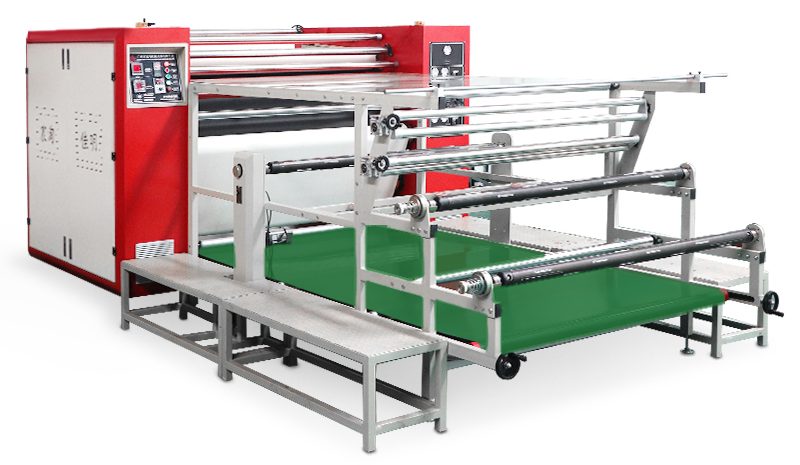
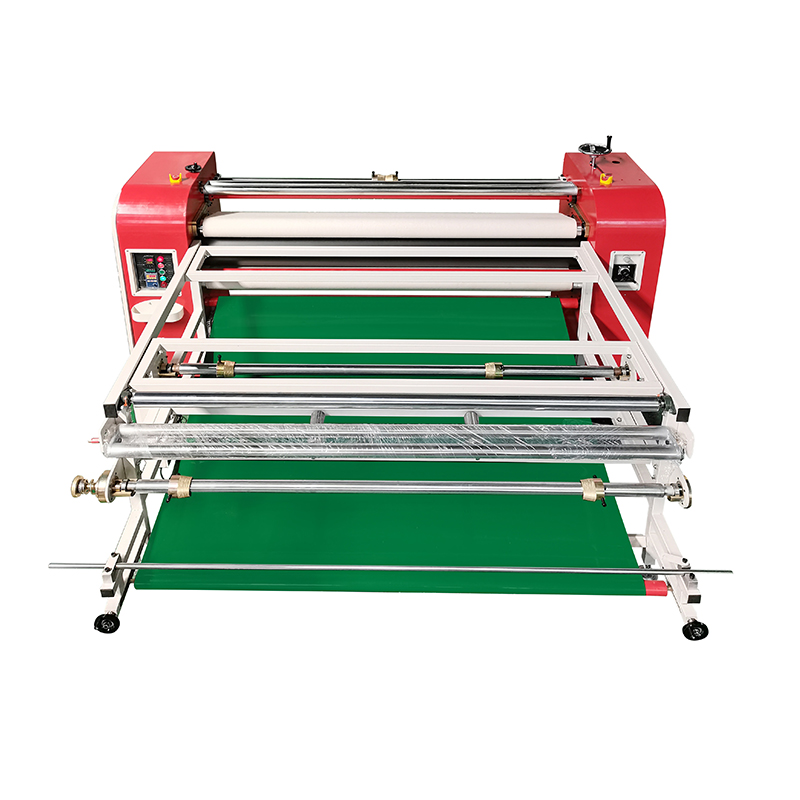
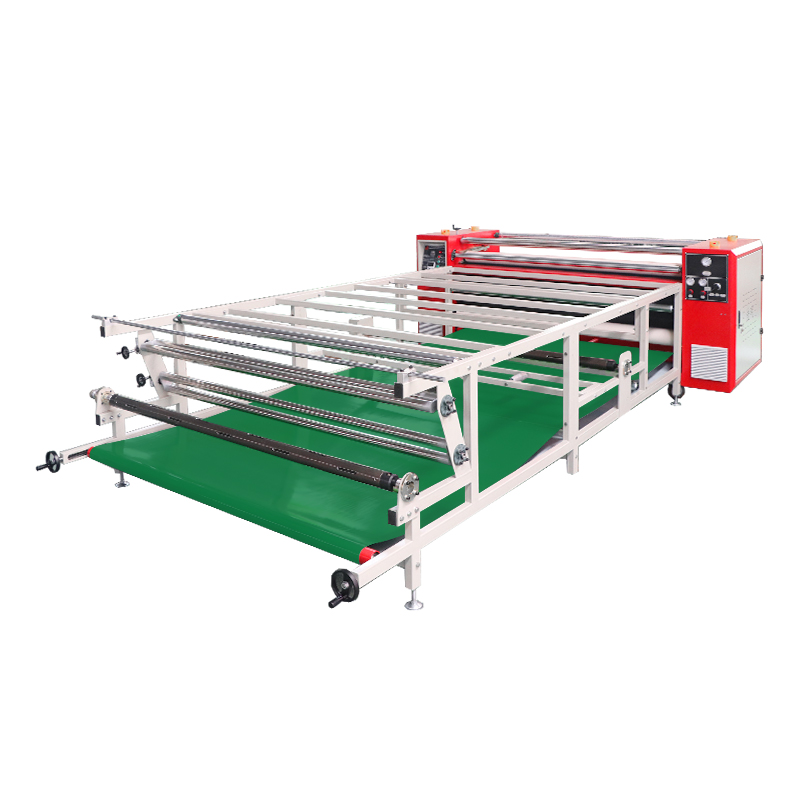
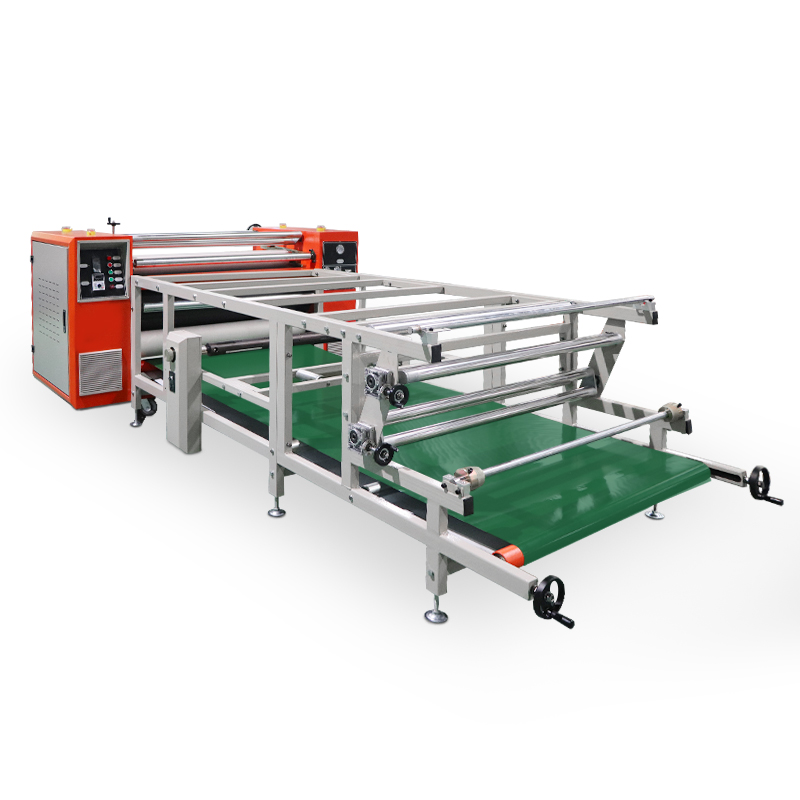
For optimal results with the HOLDWIN-377 or similar presses, consider these settings:
Weight Selection Guide: Which Paper Weight is Right for Your Project?
| GSM Weight | Best For… | Key Advantage |
| 29 g – 45 g | High-Speed Fashion, Sportswear & Cycling wear | Ultra-lightweight |
| 50g – 70g | Standard apparel, banners, & soft signage | Perfect balance of stability and ink absorption. |
| 90g – 100g | Home textiles, curtains, & rigid substrates | High ink load ; prevents curling with dark, heavy designs. |
Ans. This depends on the type of fabric and process you are using:
For Sublimation & Light-Colored Fabrics: Yes. You must mirror (flip) your design horizontally before printing so that the image appears correctly when pressed face-down onto the material.
For Dark-Colored Fabrics (Heat Transfer Vinyl/Opaque Paper): Nie, nie. Mirroring is typically not required as these designs are often placed face-up on the fabric.
Ans. Highly Recommended. Pre-washing helps ensure a long-lasting bond by:
Removing Impurities: It strips away factory chemicals, starches, or “sizing” that can prevent the transfer from sticking properly.
Preventing Shrinkage: By pre-shrinking the fabric, you ensure the design won’t wrinkle or distort after the first wash at home.
Ans. To achieve a professional result, avoid these typical errors:
Incorrect Heat Press Settings: Using the wrong temperature, timing, or pressure is the #1 cause of peeling and fading.
Forgetting to Mirror: A common mistake that results in backward text and logos.
Insufficient Prep Work: Failing to “pre-press” the fabric to remove moisture and wrinkles before applying the paper.
Obstructions & Uneven Pressure: Pressing over seams, buttons, or zippers can create gaps where the design fails to transfer.
Fabric Incompatibility: Using paper designed for polyester on 100% cotton, or vice versa.
Improper Peeling Technique: Peeling “Hot” when the paper requires “Cold” peel (or vice versa) can cause the image to tear or lift.