As sustainability becomes a business priority, Eco DTF systems are leading the way in green printing by reducing environmental impact through two key innovations:
Eco-Friendly Inks: By using water-based, VOC-free inks, these systems eliminate toxic fumes and protect ecosystems. These biodegradable formulas ensure cleaner air for workers and less water pollution.
Energy Efficiency: Modern Eco DTF printers are engineered to consume less electricity, lowering greenhouse gas emissions and helping businesses meet global climate goals.
In short, Eco DTF technology allows companies to produce high-quality prints while significantly shrinking their carbon footprint.
How Do Eco DTF Systems Reduce Waste Compared to Traditional Printing Methods?
Traditional printing makes a lot of waste. Extra ink, unused materials, and mistakes pile up. Eco DTF systems, however, focus on being precise and wasting less.
They print directly onto film very carefully. This cuts down on unused materials. Unlike old-school screen printing, which needs a separate screen for each part of a design, Eco DTF skips this step. This saves resources and lowers waste.
Also, Eco DTF systems print only what’s needed. This is called on-demand printing. It stops businesses from making too many prints that might not get used. This way, companies avoid wasting materials while still meeting customer needs quickly.
The materials in Eco DTF systems can often be recycled. Films and transfer sheets can be reused or turned into something new. This supports a cycle of reusing materials and helps the environment.
What Are the Key Features of Advanced DTF Systems?
Advanced Eco DTF systems use exact technology to make printing fast and high-quality. Special print heads create sharp, colorful designs. Every detail looks clear and professional.
This technology also lines up colors perfectly in multi-color prints. It reduces mistakes like colors overlapping or not matching. Fewer errors mean less wasted material and time. This boosts work speed while saving resources.
Many systems have automatic features. For example, self-cleaning tools keep print heads clear of ink buildup. This keeps the printer running smoothly. Real-time alerts let workers spot problems early. This prevents big delays and keeps production steady.
Smart software adds more control. It lets users tweak designs easily and match colors exactly. Designers can try bold patterns or smooth color fades without losing quality or slowing down.
What Role Does Ink Optimization Play in Sustainability?
Ink optimization is a big part of making Eco DTF systems green. These printers use clever tools to control how much ink is used. They adjust ink drops to fit each design’s needs. This saves ink without making prints look dull.
The eco-friendly inks are strong and bright, even when used sparingly. They cover well with less ink, which cuts costs and waste. Some printers even collect extra ink and reuse it later. This reduces waste even more and saves money.
New drying methods also help. They make ink dry fast without using too much heat. This saves energy and keeps prints looking great. By using precise ink amounts, green inks, and recycling systems, Eco DTF printers show how new ideas can help the planet and keep costs low.
What Are the Benefits of Switching to Integrated Printing Solutions?
Switching to Eco DTF systems makes work smoother and greener. These systems combine design, printing, and transfer steps into one easy process. This cuts out extra equipment and setup time.
One big perk is faster production. Old methods need lots of steps, like making screens or preparing materials by hand. Eco DTF systems automate many tasks. This lets businesses finish orders quickly while keeping quality high.
Another plus is steady results. These systems control things like ink and heat carefully. This makes every print look the same, which customers love. It also reduces mistakes that lead to wasted materials.
Eco DTF systems work well with digital tools. They connect easily to design programs and digital files. This makes it simple to change designs or meet unique customer requests. It helps businesses stay competitive.
How Do These Systems Improve Cost-Effectiveness Over Time?
Eco DTF systems transform printing from a high-waste industry into a precision-based process. They reduce environmental and financial waste through three main avenues:
Material Efficiency: High-pigment, water-based inks require lower volumes to achieve vibrant results. Combined with on-demand printing, businesses eliminate “dead stock” by only producing what is already sold.
Operational Longevity: Automated cleaning cycles prevent hardware failure, while the high durability of the prints reduces the need for replacements or reprints.
Resource Conservation: These systems use significantly less electricity than traditional industrial setups and utilize recyclable transfer films to keep waste out of landfills.
By maximizing every drop of ink and watt of power, Eco DTF technology ensures that high-quality production doesn’t come at the cost of the environment.
Where Can You Find Reliable Eco DTF Products for Your Business?
Picking a trusted maker for Eco DTF systems is vital. Good companies focus on quality and green practices. They offer dependable machines that meet high standards. They also provide help with setup, training, and fixes.
A reliable maker reduces risks. Their machines are sturdy and work well even with heavy use. This means less downtime from broken parts or errors. It keeps your business running smoothly.
Trusted companies stay up-to-date with new ideas. They add features like precise print heads or automatic alerts to make work easier. These tools improve results and make using the system simple.
Good manufacturers also follow environmental rules. Their inks and materials are certified as eco-friendly. This helps businesses meet green goals and avoid problems with laws or bad publicity.
How Does Holdwin Stand Out in Sustainable Printing?
Holdwin (by Shaoxing Zhiyu) leads the market by combining cutting-edge R&D with a deep commitment to environmental responsibility. They differentiate themselves through three core pillars:
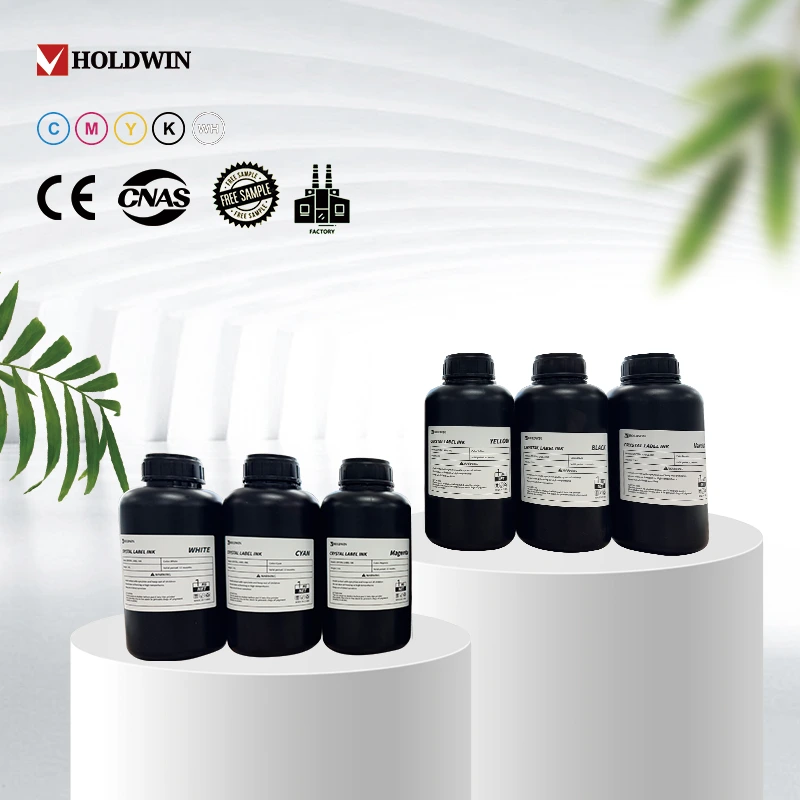
Eco-Conscious Chemistry: Holdwin utilizes proprietary water-based inks that are VOC-free and biodegradable. This ensures vibrant, professional-grade colors while eliminating toxic fumes and protecting aquatic ecosystems.
Resource-Efficient Engineering: Their printers are designed for low energy consumption and feature intelligent ink management systems. By supporting on-demand production, Holdwin helps businesses eliminate “dead stock” and reduce electricity usage compared to traditional methods.
Comprehensive Support: Beyond hardware, Holdwin provides lifelong technical assistance and 1-on-1 setup advice. This ensures machines operate at peak efficiency, extending equipment life and reducing electronic waste.
By prioritizing both performance and the planet, Holdwin offers a reliable, future-proof solution for businesses transitioning to green printing.
FAQs
Eco DTF systems work with many surfaces, like cloth, ceramics, glass, and metal. This makes them great for industries like clothing or gift-making.
Yes, water-based inks in Eco DTF systems are tough. They resist fading and wear, keeping colors bright for a long time.
Keep it clean with automatic tools built into most models. Check ink levels, alignment, and heat settings regularly to keep it running well.