English
  Arabic
  Chinese
  French
  German
  Portuguese
  Russian
  Spanish
  Polish
  Italian
UV Printer Myths vs. Reality: What You Need to Know Before Buying – The Truth About UV Printing
The UV printing market is loud. It’s a space filled with “game-changing” promises, bold sales pitches, and enough technical jargon to make your head spin. But when you’re ready to drop significant capital on a new machine, you don’t need a brochure—you need the truth.
Investing in UV technology can skyrocket your production capabilities, but only if you know exactly what you’re stepping into. This guide cuts through the noise to reveal the essential truth about UV printing.
#1 Myth: UV Printing Is Just for Decoration
Many folks assume that UV printing is only about decoration or ‘cosmetic’ use—great for putting graphics, photos, or bright designs on promotional items, signs, and souvenirs. This idea makes UV printers look like just upgraded inkjet printers.
The Reality: UV printing extends far beyond decoration. Its unique features—rapid curing, strong bonding, and material flexibility—facilitate applications that address engineering, prototyping, and manufacturing challenges. For those dealing with large-scale industrial projects, a UV flatbed printer offers the precision and durability required for heavy-duty production.
- Printing scannable barcodes, QR codes, and UID (Unique Identification) labels directly onto metal, plastic, or ceramic components in aerospace, automotive, and electronics manufacturing.
- Creating integrated control panels or informational displays directly on appliances, panels, or fixtures.
- Creating selective release or adhesive surfaces in packaging and assembly applications.
#2 Myth: UV inks are more expensive than traditional inks
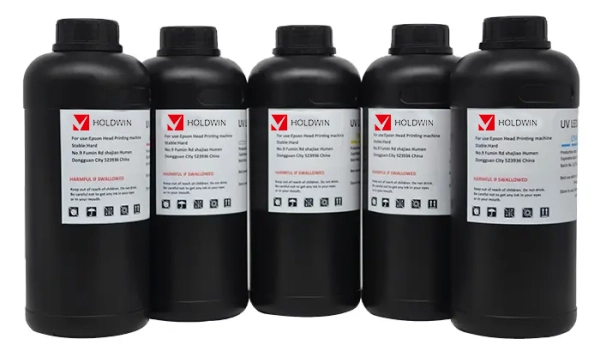
Buying uv ink will drain your wallet because its price per liter is two to three times higher than that of eco-solvent or aqueous inks.
The Reality: Labeling UV inks as “more expensive” is a classic case of mistaking price for cost.While the price per liter of UV ink is often higher than some traditional inks, your cost per print is often lower.
Why UV Ink Costs Less Per Print: The Data
| Feature | Eco – Solvent / Traditional | UV LED Ink |
| Evaporation | High (50-60% liquid loss) | Zero (1oo% Solid) |
| Ink Usage | Higher ( to compensate for absorption) | Lower (Sits on the surface) |
| Setup Waste | High | Minimal (instant dry) |
#3 Myth: UV Inks Are Harmful to the Environment
Because UV inks use powerful chemicals and “intense” light to cure, they must be worse for the environment.
The Reality: When compared to the dominant alternative—solvent printing—UV-LED printing is a significantly cleaner, greener technology. Its benefits of zero VOC emissions, high energy efficiency, and reduced waste generation make it a responsible choice for businesses. It’s safer for the environment, safer for your employees, and meets the strict “indoor air quality” standards. UV-cured prints are stable and don’t “bleed” chemicals, making them a safe choice for items like drinkware, packaging, and consumer goods.