Russian
  English
  Arabic
  Chinese
  French
  German
  Portuguese
  Spanish
  Polish
  Italian
Ошибки при сопоставлении заявок, влияющие на результаты перевода.
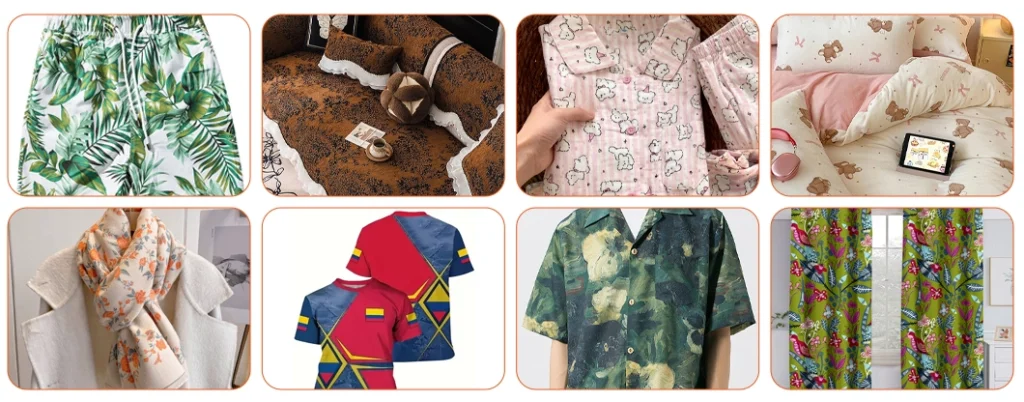
Прежде чем сравнивать цены на рулоны, подберите бумагу, соответствующую материалу и процессу переноса изображения. Эта первая проверка предотвратит множество проблем с цветом и отклеиванием.
1. Использование неподходящей бумаги для данного материала.
Полиэстеровая одежда, панели с покрытием, шторы и мягкие вывески имеют разную плотность чернил. Легкая бумага подходит для быстрого производства текстиля, в то время как плотные рисунки и жесткие материалы часто требуют большей впитывающей способности. Использование одного сорта бумаги для всех работ может привести к слабому цвету на одном материале и медленному высыханию на другом. Необработанный хлопок и непокрытые твердые поверхности не могут правильно поддаваться сублимационной печати, независимо от качества бумаги.
2. Замена термотрансферной бумаги на обычную бумагу для струйных принтеров.
Обычная бумага для струйных принтеров впитывает жидкость в свои волокна. Специально разработанная бумага Бумага сублимации Краситель удерживается вблизи покрытой поверхности и высвобождается при нагревании. Обычная бумага может оставлять больше чернил, приводить к некачественной печати, просачиваться на защитные листы или загрязнять печатный станок. Экономия хорошо выглядит в счете-фактуре, но часто исчезает после дополнительного расхода чернил и брака. Это один из тех способов сэкономить, который редко остается дешевым.
Ошибки при выборе качества и плотности бумаги.
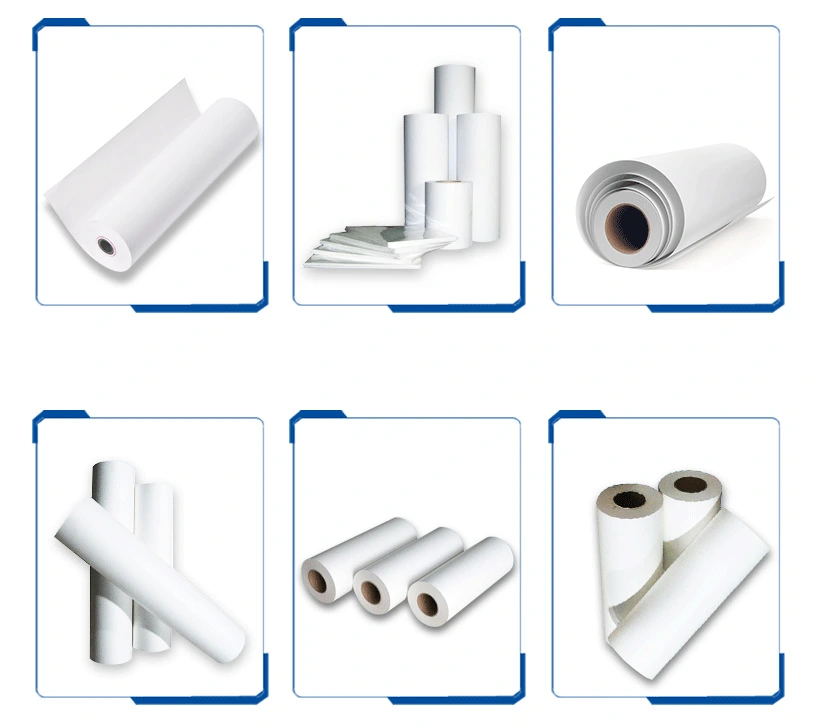
3. Выбор бумаги по низкой цене, а не по качеству печати.
Бумага низкого качества может высыхать неравномерно, скручиваться при печати сплошных цветов или неравномерно выделять краску. Проверьте сплошные блоки, тонкие линии, градиенты, время высыхания и количество чернил, оставшихся после печати. Надежный способ Бумага сублимации Носитель должен подавать материал ровно и обеспечивать повторяемость результатов по всему рулону. Сравнивайте стоимость одного принятого отпечатка, а не цену за рулон. Дешевые носители становятся дорогими, когда начинается перепечатка.
4. Выбор неправильной плотности бумаги
Тонкая бумага может мяться под густыми чернилами, а слишком толстая бумага может медленно сохнуть или плохо подаваться. Опубликованное руководство по выбору бумаги послужит полезной отправной точкой:
| Пресс-папье | Рекомендуемая работа | Основная причина выбора |
| 29 – 45 gsm | Модная одежда, спортивная одежда и одежда для велоспорта в стиле «хай-спид», | Легкий вес для быстрой обработки текстиля |
| 50 – 70 gsm | Одежда, баннеры и рекламные материалы. | Баланс стабильности и впитывания чернил |
| 90 – 100 gsm | Домашний текстиль, шторы и жесткие материалы. | Более высокая загрузка чернил и контроль скручивания для темных рисунков. |