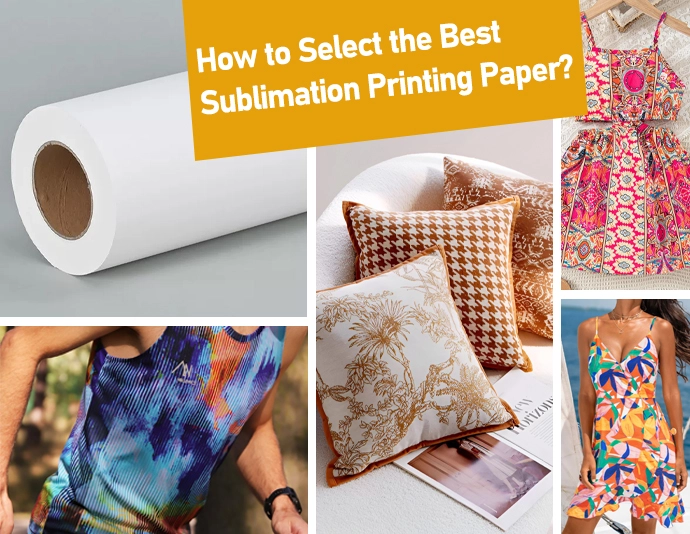
Choosing 升华纸 looks easy at first. But once production starts, small paper problems can turn into dull colors, wet rolls, ghosting, edge blur, or wasted fabric. In sublimation printing, paper is not just a carrier. It affects how ink dries, how cleanly color transfers, and how stable each batch feels.
霍尔德温 is a leading digital printing manufacturer specializing in high-speed 升华打印机, heat transfer equipment, premium inks, and industrial 消耗品. Engineered specifically for high-volume production, our premium 升华纸 features instant-drying technology and maximum ink release to guarantee vibrant, flawless transfers every time.

How Sublimation Works Step by Step
升华印刷 turns dye ink from a solid state into gas without passing through a liquid state. The process usually follows a clear production flow:
- 设计印在 升华纸 with dye-based ink.
- The paper coating keeps the ink in place and helps it dry before transfer.
- Heat and pressure are applied through a heat press machine.
- The dye changes into gas and enters polyester fabric or coated materials.
- As the material cools, the color becomes part of the surface.
Why Paper Quality Affects Daily Output?
In daily 升华印刷, paper quality directly affects color consistency, drying speed, and production waste. A good 升华纸 should hold 墨水 evenly during printing, then release dye smoothly under heat and pressure. This helps keep edges sharp, colors stable, and repeated orders easier to control.
The problem often appears when production moves from small samples to real orders. A simple logo may look fine, but full-width sportswear panels, dark artwork, curtains, or soft signage can quickly expose smudging, ghosting, uneven release, or dull color. These issues do not only affect appearance. They can also lead to wasted fabric, extra labor, delayed delivery, and higher reprint costs.
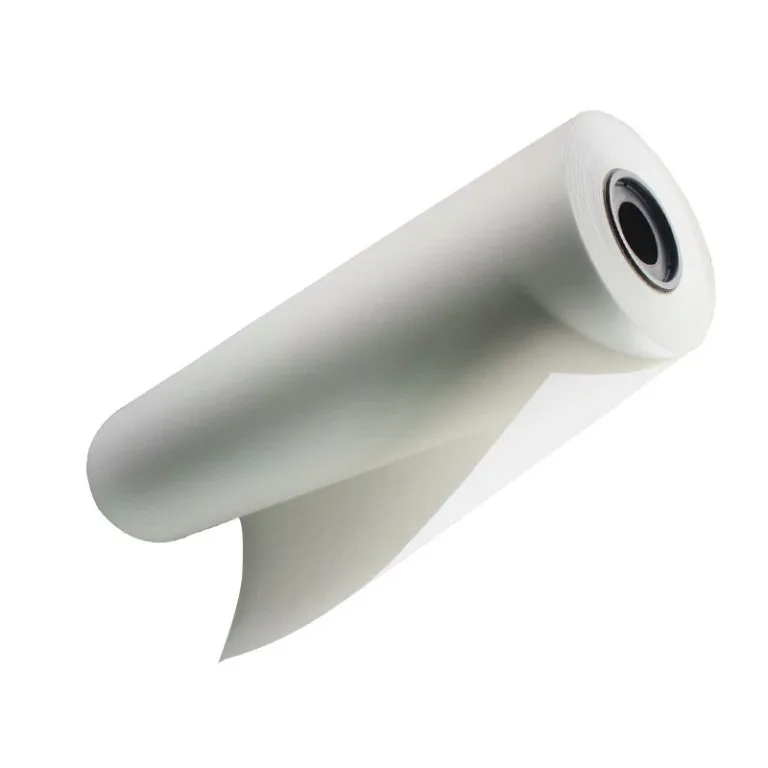
HOLDWIN Premium High-Speed Sublimation Transfer Paper supports instant dry and high release performance, making it easier to handle continuous printing with less production interruption.
Key Factors Before Buying Sublimation Paper
A good choice starts with your printer, ink, fabric, and order type. One paper weight cannot cover every production need, even if it looks convenient on paper. Some operators still keep one roll “for everything,” but that habit often causes hidden waste.
Printer, Ink, and Material Fit
Check your print width, 墨水 volume, take-up system, and heat press settings before buying. HOLDWIN sublimation printers use heat transfer paper as print media and are built for textile output such as garments, fabric samples, shirts, canvas bags, flags, and soft décor items. For high-speed machines, you also need paper that runs smoothly through feeding and winding systems.
Drying Speed and Release Rate
Fast drying is critical when printed rolls are wound immediately on industrial take-up systems. 霍尔德温‘s instant-dry technology eliminates ink smudging and tracking during high-speed production.
Comparison of Sublimation Paper Types
| Paper Type | Holdwin paper weight range | Main Advantage |
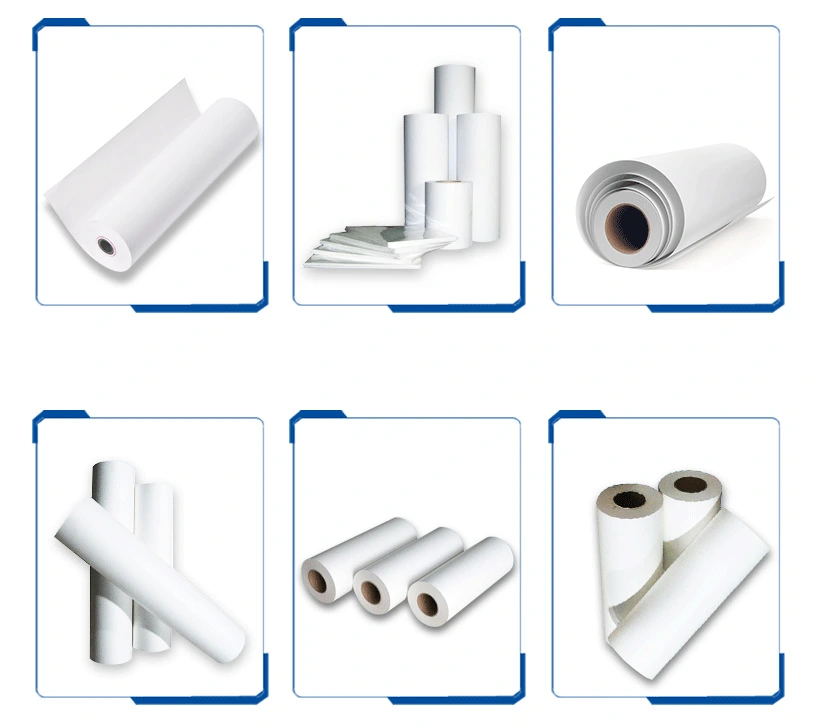
| Lightweight paper | 29gsm, 35gsm, 45gsm | Low weight, fast handling, suitable for volume textile runs |
| Medium paper | 50gsm, 70gsm | Balanced stability and ink absorption |
| Heavy paper | 90gsm, 100gsm | Handles higher ink load and helps reduce curling |
注: For the same ink concentration, heavier paper can hold more ink, resulting in brighter colors after transfer. Therefore, it’s not the product that determines the paper weight, but the color.
Final Thoughts: How to Test Your Paper
Do not judge Sublimation Paper only by a sample photo or a small swatch. A paper may look good in a simple test, but real production can show very different results. Always test it with your actual print speed, ink density, heat press temperature, and the final fabric your customer will receive.
After printing and pressing, check these five points:
- Drying Speed: Does the ink smear when the printed roll is collected or touched?
- Paper Flatness: Does the paper stay smooth, or does it curl and buckle under heat?
- Edge Sharpness: Are small logos, fine lines, and text still clear after transfer?
- Remaining Ink: How much ink is left on the paper after pressing? Less remaining ink usually means better transfer efficiency.
- 颜色一致性: Is the color stable across the full width and length of the roll?
If a paper works well for a small chest logo but fails on a full-width jersey panel, it is not stable enough for main production use. For your next order, you can contact HOLDWIN for sample testing, roll size suggestions, or consumable recommendations based on your printer setup.
Partner with HOLDWIN: We are actively expanding our global network and seeking dedicated distributors, regional agents, and wholesale partners. We provide reliable factory-direct logistics, consistent bulk quality, and competitive manufacturing margins to help you dominate your local digital textile market. Contact our international trade team today to request free product catalog samples and discuss distribution opportunities.
常见问题:
For high-speed sportswear, 29–45gsm paper is often the right starting point. It supports faster handling and works well for volume textile printing when your feeding system is stable.
Not always. Thicker paper helps with high ink load, dark artwork, curtains, and home textiles, but medium-weight paper may be better for daily apparel jobs.
Print your real artwork, press it on the final fabric, then check drying, ghosting, color, edge sharpness, and leftover ink on the sheet. A quick test can prevent expensive reprints.