Best Practices for Sublimating on High-Stretch Swimwear Fabrics

Best Practices for Sublimating on High-Stretch Swimwear Fabrics

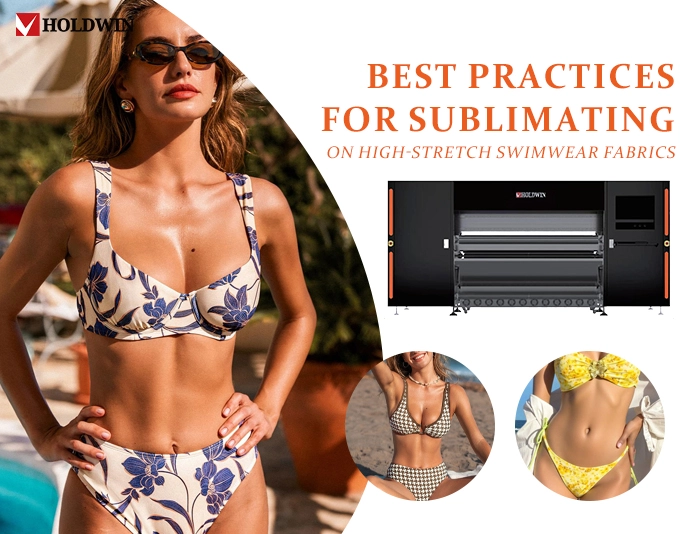
The worldwide swimwear industry is seeing impressive growth, with custom swimwear sales expected to rise by 6.3% each year. This increase is mainly fueled by changing consumer behavior: nearly 62% of millennials actively seek unique, one-of-a-kind designs. This shift has prompted apparel manufacturers to perfect التسامي digital printing methods to satisfy strict market preferences.

sublimating swimwear

To help your production line achieve retail-quality results every time, Zhiyu التكنولوجيا الرقمية has compiled the ultimate industrial guide to sublimating high-stretch swimwear.

  1. Understanding Swimwear Fabric Properties

Successful swimwear printing starts with precise fabric selection. Modern performance swimwear usually consists of 80–90% polyester base material and 10–20% elastane (Spandex or Lycra) to ensure optimal four-way stretch and shape recovery.

Reasons why Polyester is always جيمhosen:

  • The high polyester content makes sure that the colors are saturated and bright.
  • Polyester is an elastic and lightweight fabric that is great for comfort needed in swimwear.
  • The quick drying characteristic of polyester makes it a valuable asset during sublimation.
  • Polyester blends are highly durable and resistant to chlorine, making them perfect for performance and competitive swimwear.

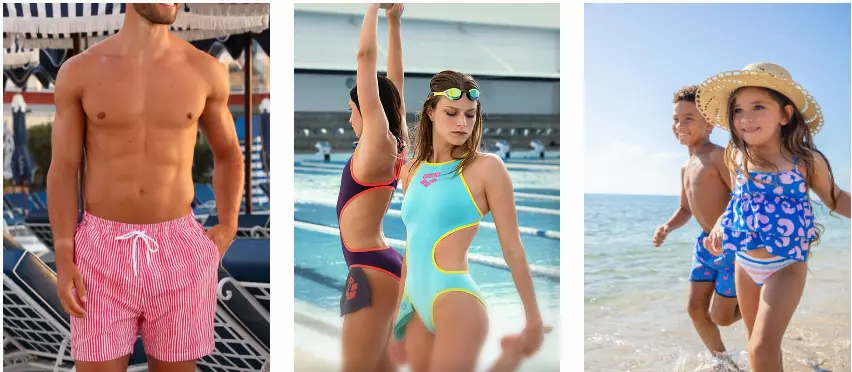
Swimwear

2. The Impact of Stretch and Recovery on Print Quality

Fabrics must exhibit four-way stretch, allowing expansion both horizontally and vertically, to prevent print distortion during wear.

الحل: Always utilize high-tack ورقة نقل التسامي. The sticky surface temporarily bonds with the high-stretch fabric under heat, locking the fibers in place and preventing print distortion during wear or production handling.

3. Precautions for successful sublimation printing

You already know what the main types of fabrics for sublimation are, but it is also vital to know the basic care when applying this technique to your garments.

Follow these tips to avoid wasting your resources and improve your production outcomes.

Conduct Heat-Resistance and Elasticity Tests

Before initiating a full production run, subject a fabric sample to your heat press. Measure the exact dimensions before and after exposure to ensure the heat hasn’t caused structural shrinkage or compromised the fabric’s “snap-back” memory.

Optimize Time, Temperature, and Pressure

Because Spandex degrades under high heat, you cannot treat swimwear like a standard 100% polyester t-shirt. You need to adjust your parameters to protect the elastane fibers while ensuring full ink activation.

ParameterStandard Polyester SettingHigh-Stretch Swimwear Setting
درجة الحرارة200°C (390°F)185°C – 190°C (365°F – 375°F)
Time40 – 50 seconds35 – 45 seconds
الضغطHeavyLight to Medium

Industrial Advantages of Sublimation for Swimwear Production

Transitioning to digital sublimation workflows yields immense commercial advantages for printing houses and apparel brands:

Zero-Texture Comfort: The ink gasifies and bonds directly inside the fibers rather than sitting on top. The fabric retains 100% of its original stretch, lightweight breathability, and rapid-drying performance on the body.

Eco-Friendly Efficiency: Digital sublimation utilizes water-based, non-toxic inks and completely eliminates the chemical-heavy post-wash cycles required by traditional dyeing. This helps production lines easily meet modern global sustainability standards.

Maximum Color Fastness: Because the dye becomes part of the polymer matrix itself, the printed graphics achieve maximum resistance against extreme conditions. The finished swimwear will not fade, crack, or peel when exposed to chlorine, saltwater, and intense UV rays.

أفكار نهائية:

Mastering high-stretch swimwear sublimation comes down to precise control over temperature and physical tension. Lowering your heat settings protects delicate Spandex fibers, while using high-tack transfer paper eliminates the movement that causes ghosting. By stabilizing these core variables, textile manufacturers can prevent costly defects, protect fabric elasticity, and deliver vibrant, retail-ready swimwear.

Ready to upgrade your production capabilities with industrial-grade reliability for the upcoming season? Get in touch with في Holdwin technical service team اليوم

المزيد من المشاركات

ارسل لنا رسالة