English
  Arabic
  Chinese
  French
  German
  Portuguese
  Russian
  Spanish
  Polish
  Italian
When it comes to printing on pure cotton, both DTF (Direct-to-Film) and DTG (Direct-to-Garment) are incredible technologies, but they serve completely different vibes and production strategies. Whether you are running a boutique custom shop or scaling up a massive apparel brand, choosing between them dictates your fabric choices, initial workflow setups, and long-term profit margins.
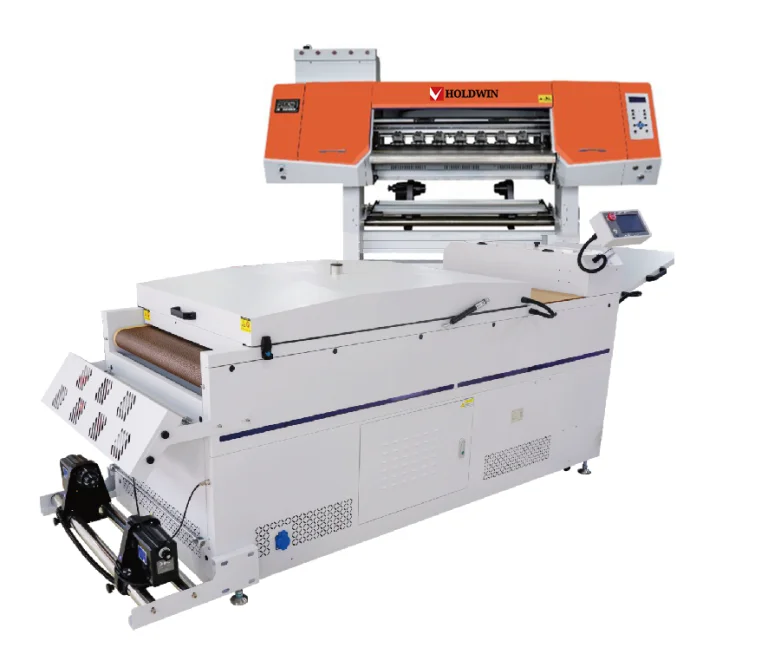
Overview of Printing Technologies for Pure Cotton Fabric
| DTG | DTF | |
| Substrate | Cotton, Cotton / Polyester blends | Applicable to all fabrics, with same ink |
| Productivity | Pre-treatment + print + cure | Print Film + Adhesive + Transfer |
| Hand Feel | Very Good | Good to very good |
Introduction to DTF Printing Technology
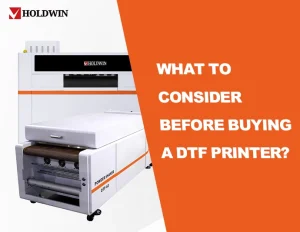
DTF is an all-around champion for flexibility. Instead of printing directly onto the cloth, you print your design onto a specialized PET film using water-based pigment inks. While the ink is still wet, a hot-melt adhesive powder is applied and cured. From there, the design can be heat-pressed onto almost any material, including 100% pure cotton, thick denim, or polyester blends. Explore advanced setups by viewing our industrial DTF printer selection.
Direct-to-Garment (DTG) Printing
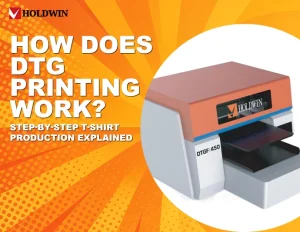
DTG prints ink directly onto the textile fibers, behaving much like an inkjet document printer but for clothing. The cotton must first be sprayed with a liquid pre-treatment to keep the ink from soaking too deep and looking dull. After a base layer of white ink is laid down on dark shirts, the CMYK colored ink is jetted directly on top and cured with heat. Check out tailored direct-printing solutions by exploring our dedicated DTG printer range.
2. Fabric Performance on Pure Cotton
Color Vibrancy & Image Detail
DTF: Because the ink sits as a cured film layer on top of the cotton weave, colors appear exceptionally bright and saturated. Fine text and clean graphical lines pop beautifully, making it perfect for streetwear logos and bold vector graphics.
DTG: DTG ink sinks directly into the cotton yarn. For photographs, complex gradients, or hyper-detailed artwork, DTG offers incomparably smooth transitions and a natural look.
Texture & Hand Feel
The Streetwear Choice (DTF): DTF leaves a thin, uniform plastic-like feel over the design area. It is highly flexible but noticeable to the touch, making it ideal for hoodies, outerwear, and heavy cotton merchandise.
The Boutique Choice (DTG): DTG reigns supreme for an ultra-soft “zero-feel” hand texture. Because the pigment becomes part of the fiber, it feels light and breathable—the premium standard for lightweight fashion tees and sensitive baby clothing.
Core Differences between DTG and DTF at-a-Glance
| Feature | DTG | DTF |
| Best Suited for | 100% Cotton | Hoodies, Polyester, Textured Cotton, Small Logos |
| Setup Cost | Higher | Lower |
| Ink Consumption | Higher | Lower |
| 🛠️ Troubleshooting Tips: Maximize your machine’s lifespan by following our expert solutions for common DTF printing challenges.
Long-Term ROI: Which Fits Your Business?
Your ultimate return on investment depends on your order structure:
Choose DTG if: Your shop focuses on high-end boutique clothing, single-piece custom photography shirts, or short production runs where a premium, zero-texture feel is mandatory.
Choose DTF if: You handle mid-to-large wholesale contracts, print across varied materials (cotton, polyester, nylon), or want a highly scalable workflow with predictable consumable costs.
Maximize Equipment Lifespan: Both technologies rely on stable printing environments. To protect your investment from costly downtime, remember to review daily printhead cleaning workflows and maintenance schedules.
Dedicated Customer Support Channels for Troubleshooting
Not sure which technology fits your specific application? Consult with our technical team for a customized ROI analysis.