Portuguese
  English
  Arabic
  Chinese
  French
  German
  Russian
  Spanish
  Polish
  Italian
No mundo em movimento rápido da imprensa de cerâmica industrial, se torna um exercício em vigilância eterna para manter seus custos baixos ao mesmo tempo que mantém um produto superior. Isso, essencialmente, significa não apenas produzir impressões, mas também descobrir como gerir uma operação de produção complicada de forma a conservar cada gota de tinta, cada watt de energia. Isto, é claro, inclui e começa com uma compreensão das necessidades específicas dos substratos que você está decorando.
Entender suas necessidades de material e produção
When selecting an industrial ceramic digital printer, it is important to consider the type of ceramics that will be printed, the size and shape of the objects, and the production volume. Other critical factors include print quality, speed, and price. Cost savings start with the right fit. Selecting a printer that isn’t optimized for your specific substrates leads to wasted materials and frequent production halts.
Os materiais cerâmicos variam significativamente; Alguns são mais duradouros enquanto outros são mais resistentes ao calor, tornando essencial selecionar uma impressora compatível com suas propriedades materiais específicas. Além disso, o tamanho e a forma de seus objetos ditam a impressora é necessidade de hardware. Por exemplo, objetos maiores requerem um tamanho maior da cama, enquanto formas complexas podem precisar de múltiplos passes de impressão para alcançar o resultado desejado. Finalmente, se você precisa de um alto volume de impressões, você deve escolher uma máquina capaz de satisfazer essa demand a para evitar atrasos de produção ou paradas totales.
- Tamanho e Forma: Seu fluxo de trabalho envolve placas planas padrões ou formas complexas e 3D? Geometrias complexas podem requer múltiplos passes de impressão ou limpeza especializada da cabeça de impressão.
- Escala: Are you a boutique studio or a high-volume factory? Choose a machine that scales with your ambition to avoid the “bottleneck effect” where your printer can’t keep up with your kiln.
Elevando a arte de peças
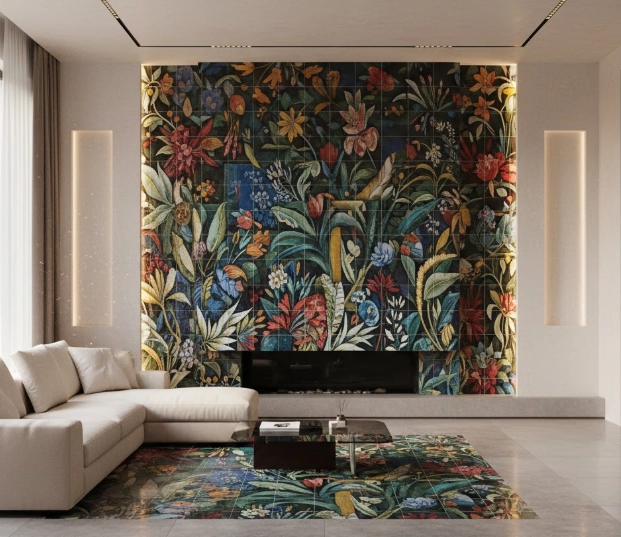
A indústria está assistindo atualmente a uma mudança no modo como as placas de cerâmica são utilizadas. Enquanto a modernização uma vez simplificou as fichas para simples coberturas funcionais do chão ou da parede do banheiro, estamos agora vendo o aumento da peças artísticasConsumidores modernos estão se afastando de usos convencionais, buscando projetos cheios de encanto que se tornam uma parte central da decoração doméstica. A impressão UV para placas de arte se tornou uma tecnologia chave nesta nova interpretação da arte de placas.
Cortando os resíduos de tinta e material
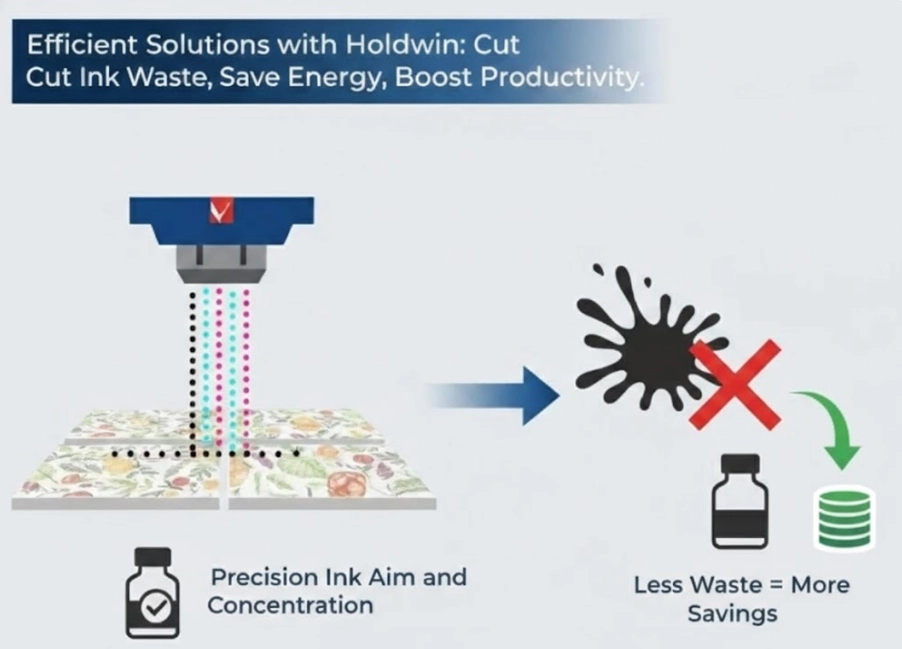
A despesa diária mais óbvia é o custo da tinta. Sistemas modernos são projetados para assegurar que nenhuma gota vai ao lixo. O segredo está na precisão; - cabeças de impressão de alto nível asseguram que cada gota atinge o alvo, parar a sobrepesa confusa e reduzir o volume total de tinta necessário. Usar tintas de alta densidade permite mais cores ricas com menos líquido, mantendo custos de abastecimento ao longo do tempo. Além disso, os sistemas inteligentes de manutenção mantêm as cabeças impressas limpas sem despejar quantidades excessivas de tinta cara durante ciclos de limpeza.
Maximizar a eficiência do hardware e o uso de energia
Além dos materiais, a qualidade de construção da máquina e o sistema de secagem impactam as contas de serviços públicos. Os aquecedores são muitas vezes os maiores porcos de energia; Portanto, você precisa de um sistema de secagem que funciona rápido e se desliga quando não precisa. Uma máquina construída com um quadro pesado e estável também economiza dinheiro reduzindo vibrações que desgastam peças pequenas.
Streamlining Workflow and Labor
O tempo é tão valioso quanto a tinta. Máquinas que mantêm múltiplas cabeças de impressão terminam trabalhos mais rápido, permitindo a uma equipe menor lidar com volumes elevados e cortar contas de trabalho. - Software inteligente de layout pode “ ninho projeta estreitamente juntos, assegurando que você usa cada centímetro de seu substrato e pare de jogar pedaços.
Por que HOLDWIN usa impressão UV?
Impresoras de cerâmica industriais não t uso “ transferências (DTF/Sublimação) porque eles acrescentam muito custo e trabalho. As máquinas HOLDWIN imprimem diretamente sobre a ficha usando tintas UV-curables que se ligam instantaneamente à superfície.
Confiando no apoio profissional
Escolhar um parceiro como Holdwin assegura que sua impressora digital cerâmica funciona no máximo de eficiência. Como líder da indústria, Holdwin foca no hardware que transforma lojas lutantes em histórias de sucesso de alta produção. Eles proporcionam treinamento técnico especializado e acesso rápido a partes de alta qualidade, reduzindo custosos tempo de descanso. Com sua orientação profissional, seu pessoal pode dominar fluxos de trabalho de cerâmica complexos, minimizar desperdícios materiais e maximizar seu retorno de investimento a longo prazo.
Ao focar nessas áreas técnicas e operacionais, você pode reduzir significativamente suas despesas e manter seu negócio de impressão de cerâmica competitivo a longo prazo.