Russian
  English
  Arabic
  Chinese
  French
  German
  Portuguese
  Spanish
  Polish
  Italian
Как работает сублимация в реальном производстве?
Основные химические процессы, лежащие в основе работы пресса.
Сублимационная печать В основе этого процесса лежит использование высоких температур для прямого превращения твердого красителя в газ, который затем связывается с полиэфирными волокнами или заготовками с покрытием. чернила буквально становится частью физического материала, а не остается в виде толстого слоя на поверхности.
Для этого абсолютно необходим нагрев, но слишком сильное вращение регулятора нарушает баланс.
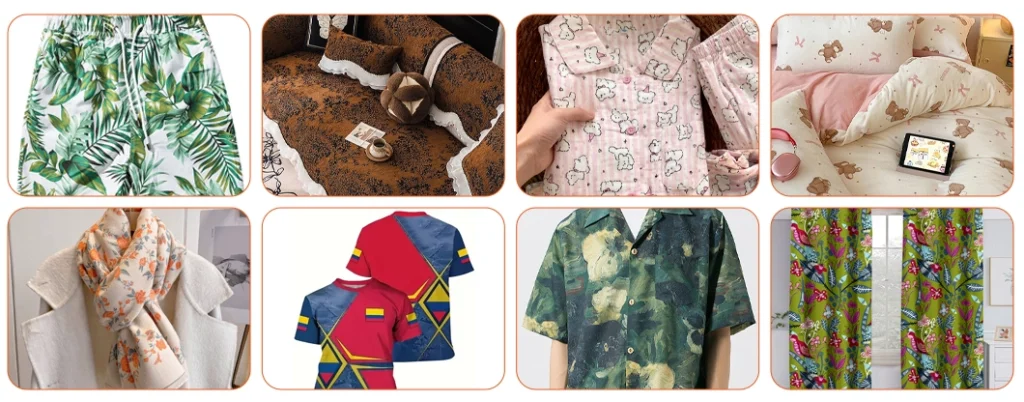
Влияние перегрева при сублимации
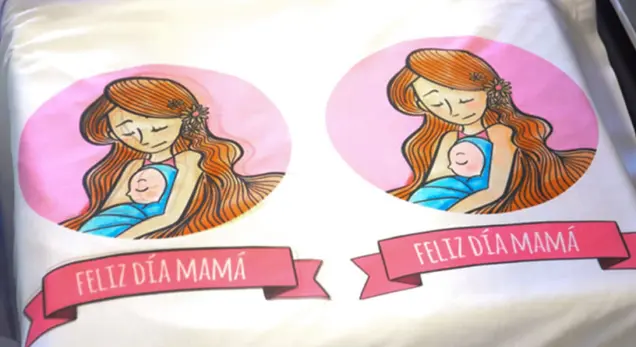
Оценка визуальных и физических дефектов
Негативное воздействие избыточного тепла обычно проявляется в пяти основных областях: резкость изображения, точность цветопередачи, состояние ткани, растекание чернил и ровность поверхности изделия. Хотя эти дефекты могут проявляться по отдельности, в загруженном производственном цехе они часто возникают все сразу.
Размытые края и утраченные детали дизайна.
Размытые изображения обычно являются первым признаком того, что термопресс работает слишком сильно. Когда температура рабочей поверхности превышает рекомендуемые пределы, сублимированная краска расширяется, причем гораздо быстрее, чем обычно. Четкие линии теряют свои границы, а мелкий текст становится неразборчивым, потому что чернила вышли слишком далеко за пределы целевой области изображения.
Непредсказуемые изменения цвета
Сублимационная печать основана на точном воспроизведении цвета. Избыточное нагревание вызывает сильное изменение цвета, а это значит, что готовое изделие не будет соответствовать утвержденному цифровому макету. Например, яркий темно-синий цвет может превратиться в тусклый серый. Профессиональные бренды одежды и их клиенты требуют строгой цветовой согласованности; любое отклонение между производственными партиями ставит под угрозу принятие заказа.
Обгоревшие и поврежденные субстраты
Сильный перегрев наносит непоправимый ущерб физической структуре печатного материала. Высокие температуры могут привести к чрезмерной усадке тканей, их деформации, обгоранию или пожелтению, затвердению или появлению блестящих следов от прессования. Легкие функциональные ткани, такие как текстиль для йоги и спортивная сетка, очень чувствительны; температурный режим, оптимизированный для толстовки с капюшоном, легко испортит легкую беговую футболку.
Эффект "призрачного изображения" и растекание чернил
Эффект «двоения» возникает, когда рядом с основным изображением появляется слабое вторичное теневое изображение. Это происходит, если... трансферная бумага Изменения происходят, пока подложка остается очень горячей, поскольку избыточная тепловая энергия дольше поддерживает активность чернильных газов. Кроме того, сочетание высоких температур с чрезмерным физическим давлением выдавливает разжиженный краситель наружу, что приводит к размазыванию краев и растеканию чернил.
Искаженные заготовки и неравномерные результаты
Избыток тепловой энергии деформирует подложки, включая панели одежды, керамические заготовки и металлические листы с покрытием. После того, как подложка изгибается или деформируется, трансферная бумага Неравномерный контакт с поверхностью под прессом нарушается. Это приводит к появлению пятен, где участки с недостаточным контактом выглядят бледными, а края — перенасыщенными.