The Ultimate Guide to Print on Demand Services for Beginners

The Ultimate Guide to Print on Demand Services for Beginners

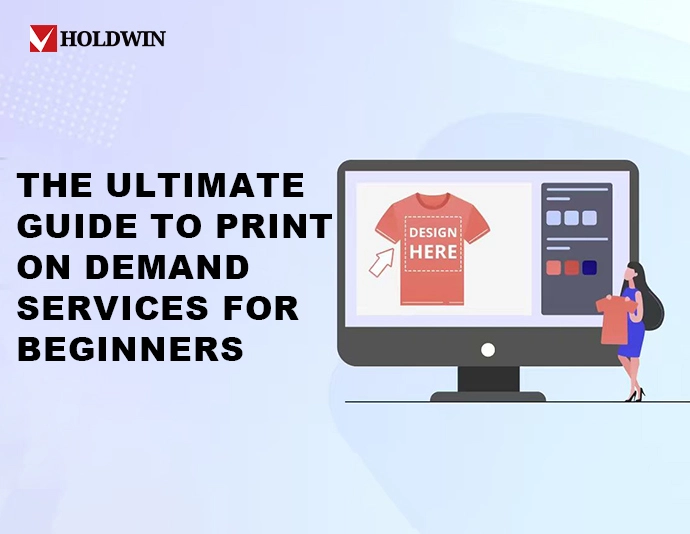
Print on demand services let you sell custom products without keeping large amounts of finished stock. You prepare the design, receive an order, then print and finish the item. For a beginner, the best place to start is the product itself. Decide what you want to sell, which materials you will use, and how many orders you expect before choosing a printing method or machine. If apparel is your starting point, our print on demand guide for T-shirts gives you a practical introduction to the process.

guide to pod

How Do Print on Demand Services Work?

POD gives you room to test designs before committing to large production runs. You can start with a few T-shirts, hoodies, sportswear items, or personalized products, see which designs actually sell, and add more choices as demand grows.

You also decide how much production you want to handle yourself. Some beginners use outside production while testing the market. Others bring printing in-house once orders become steady. Our guide to starting a POD business covers several of these early decisions.

At HOLDWIN, we work with printing businesses at different stages. Some need a compact setup for short custom runs, while others need wider printing and higher daily output. Our digital printing equipment covers DTF, DTG, sublimation, heat transfer, and related production needs.

Which Printing Method Fits Your POD Products?

DTF, DTG, and sublimation can all support POD orders, but each method fits different products. A quick comparison helps narrow down the options before you look at specific equipment.

Printing Method

Best For

Typical POD Orders

Recommended Equipment

DTF

Flexible apparel printing

T-shirts, hoodies, uniforms, mixed short runs

HOLDWIN-602I+DF602B

DTG

Direct garment customization

Personalized T-shirts, detailed graphics, one-off and small-batch orders

HOLDWIN-DTG4050i

Sublimation

Polyester-based production

Sportswear, teamwear, fashion items, wider textile jobs

HOLDWIN-1804TX PRO

DTF for Mixed-Fabric Apparel

For a growing POD setup, we recommend the HOLDWIN-602I+DF602B. It uses a 600 mm printing width. This type of setup suits T-shirts, hoodies, uniforms, and short custom runs.
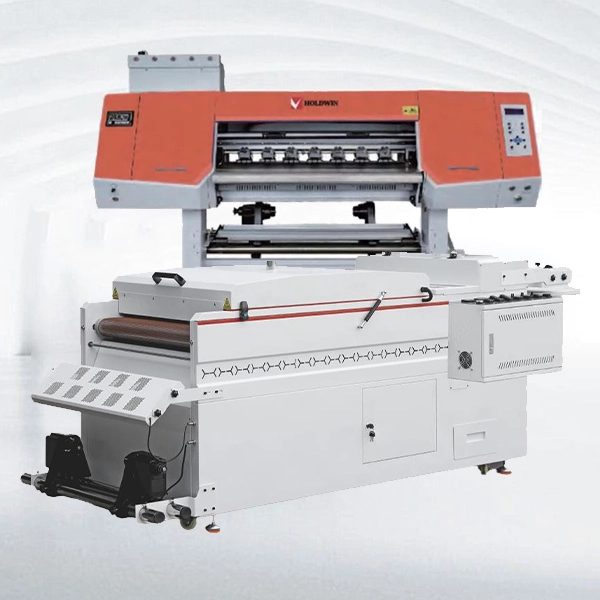
600mm - 4 heads DTF printer

DTG for Cotton and Personalized Orders

The HOLDWIN-DTG4050i has a 400 × 500 mm printing area and is designed for smaller garment production. It is a practical option when you regularly handle one-off pieces or small batches. You still need to plan pre-treatment, white ink control, curing, and routine cleaning as part of the workflow.
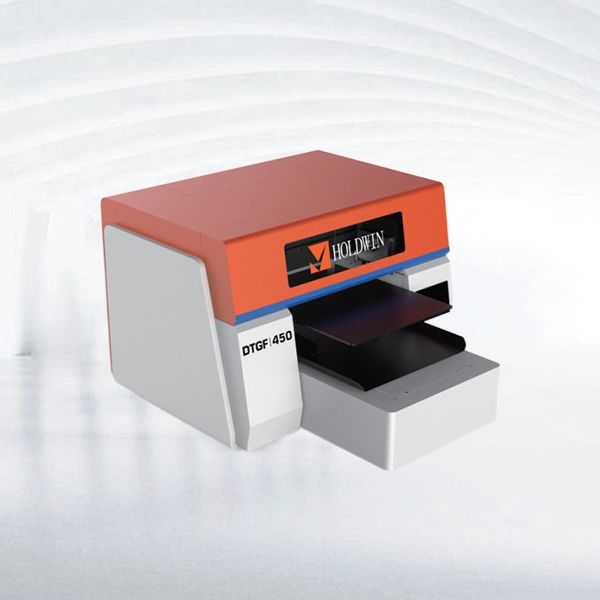
dtg 4050i

NOTE: You can review our printing consumables when planning what you will need besides the printer.

Sublimation for Polyester Products

When polyester orders become regular, the HOLDWIN-1804TX PRO provides a 1.8m printing width and is better suited to growing production than very small trial orders. Transfer paper and sublimation ink should also be counted as regular operating materials.
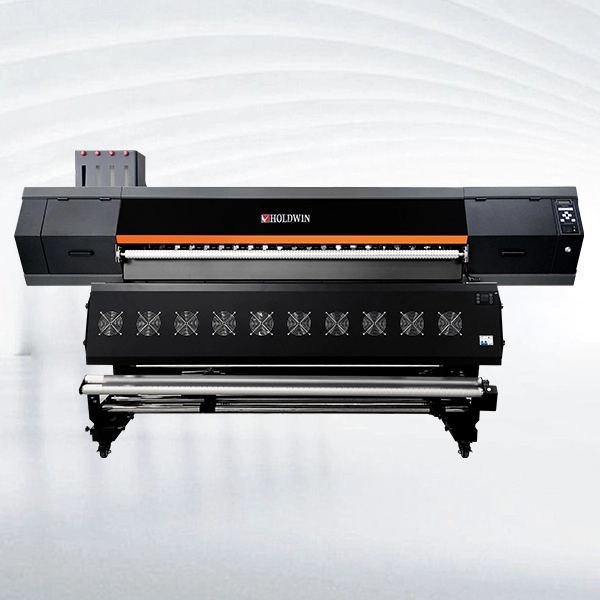
sublimation 1804tx

How Can You Keep POD Costs and Quality under Control?

Create a simple spreadsheet by SKU:

SKU → defect type → supplier → date → cost → resolution

Look for recurring problems such as fading, misalignment, sizing discrepancies, damaged packaging, or incorrect products. This lets you fix the source rather than repeatedly paying for replacements.

Quality control is generally cheaper when problems are caught before they become refunds and negative reviews. 

Conclusion

A beginner POD business works best when you start with the product rather than the machine. Choose the material, select the printing method, work out the real cost per order, and then decide how much production you want to handle yourself.

For machine matching, setup guidance, and after-sales help, you can visit our Service & Support page or contact HOLDWIN to discuss a setup based on your products and expected output.

More Posts

Send Us A Message