English
  Arabic
  Chinese
  French
  German
  Portuguese
  Russian
  Spanish
  Polish
  Italian
Direct to Film (DTF) printing is a way to decorate apparel by transferring designs directly onto fabric instead of using traditional methods like screen printing or embroidery.
What Sets DTF Printing Apart from Traditional Methods?
DTF printing is known for its adaptability and effectiveness in comparison to techniques such as screen printing or sublimation process as it does not necessitate elaborate preparations or particular fabric varieties for execution purposes and can function on diverse materials like cotton blends and leather accessories along with non traditional surfaces, like ceramics while also removing the necessity of treating garments beforehand.
The HOLDWIN 620 Pro UV Hybrid Printer showcases its versatility through its capability for printing that sticks to the surfaces of almost all products, making it perfect for producing custom designs with elaborate details and vivid hues.
What Are the Key Advantages of DTF Printing for Your Business?
DTF printing comes with benefits that make it an appealing choice for companies operating in the apparel sector.
- Cost-Effectiveness: It reduces production costs by eliminating screens and plates required in traditional methods.
- Versatility: DTF printers can print on diverse materials such as plastic, metal, glass, timber, ceramics, and leather.
- Durability: Designs created using DTF are highly durable, resistant to daily wear and tear, scratching, water exposure, and sunlight.
- Customization: The technology supports high-end customization options like bronzing and hot silver effects.
- Eco-Friendly: Water-based inks used in DTF are less harmful to the environment compared to solvent-based inks.
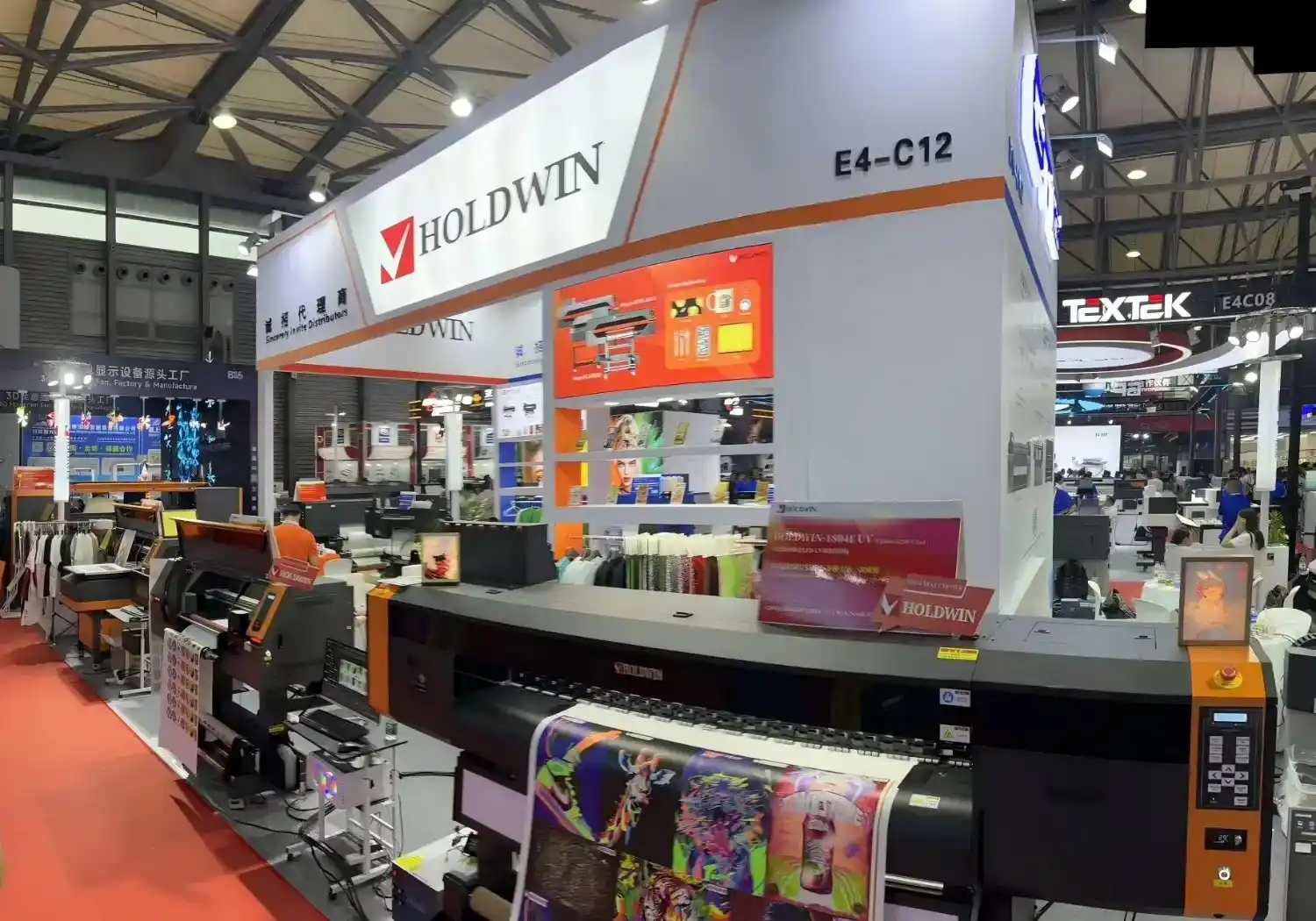
Exploring the HOLDWIN DTF Fleet
Choosing the right hardware depends on your production scale. Holdwin offers a range of models designed for different workshop needs:
The Desktop Powerhouse: HOLDWIN HW30 Perfect for boutique studios and custom startups, the HW30 brings industrial precision to a compact footprint. It is specifically designed for small-scale production without sacrificing the vibrant color accuracy found in larger machines.
The Industrial Standard: HOLDWIN-604I+DTF800S Designed for 24/7 high-volume environments, this integrated system features the Epson i3200-A1 printhead series. It includes an automated DF800S powder shaker and dryer, ensuring a seamless “roll-to-roll” experience that minimizes manual labor.
High-Speed Mass Production: HOLDWIN-604I+DTF900L For those requiring maximum output, the 900L series provides extended drying tunnels and faster curing times, allowing for higher throughput speeds (up to 34㎡/h) while maintaining color density.
Specialized Performance: HOLDWIN-602I+DF650 A balanced choice for medium-sized enterprises, offering a 600mm printing width and a simplified powder management system that reduces footprint while maintaining industrial build quality.
Why Is Ease of Use an Essential Factor in Choosing a Printer?
Efficiency is closely tied to user friendliness as it cuts down on training hours for staff and decreases mistakes made when in use.
- User-Friendly Interfaces: Intuitive controls simplify complex tasks.
- Automated Systems: Features such as automatic white ink mixing systems prevent clogging issues commonly associated with white ink usage.
- Compact Design: Space-efficient models make them suitable for small workshops.
- Maintenance Support: Nozzle clog remedies and silent operation features reduce downtime.
When businesses carefully consider these factors while choosing a DTF printer they can enhance their workflow efficiency.
What Types of Fabrics Work Best with This Technology?
DTF printers are well known for their versatility in handling fabrics and materials – a stark contrast to conventional printing approaches that are constrained by fabric restrictions. DTF technology stands out for its adaptability; it can print effortlessly onto cotton blends as well as polyester and leather fabrics, and even ceramics too. This makes it a favored option, for businesses serving customer demands. By utilizing paint ink in CMYK+W format, DTF printers deliver hues and superb adhesion qualities across these varied materials.
The HOLDWIN 620 Pro UV Hybrid Printer offers printing with COLOR+W feature that can adhere to nearly all product surfaces. From tough materials like plastic and metal to delicate ones like glass and leather. Making it a versatile option, for producing top notch designs on various substrates.
How Does Versatility Play a Role in Expanding Business Opportunities?
DTF printers offer businesses opportunities by allowing them to serve a wide range of industries beyond just clothing customization options. One example is the HOLDWIN DTF604I+DF800, which is perfect for creating products, like garments ,hat’s, sneakers, pillows, tote bags, and aprons, including reflective safety vests. This flexibility empowers businesses to broaden their product range and reach customer segments.
How Can You Ensure Optimal Performance from Your DTF Printer?
It’s important to maintain DTF printers to keep them working well for a long time and at their best performance level. Operators often encounter nozzle clogging issues when using ink with these printers. To tackle this problem effectively and efficiently in todays DTF printers like the HOLDWIN 302F+DF300S model manufacturers have included features such, as nozzle clog remedy functions and automatic white ink mixing systems. These functions help prevent clogs by moving the ink and ensuring its consistency.
Conclusion
Whether you are starting with a compact HW30 or scaling with the 604I+DTF800S, DTF technology provides the flexibility to print on nearly any fabric with professional-grade results. By choosing a system with integrated shaking and drying, you ensure a workflow that is as efficient as it is profitable.