English
  Arabic
  Chinese
  French
  German
  Portuguese
  Russian
  Spanish
  Polish
  Italian
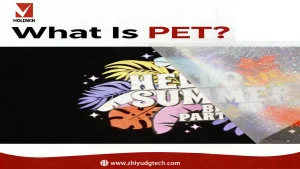
PET stands for Polyethylene Terephthalate. It is a strong, lightweight, and clear plastic from the polyester family. In DTF printing, it acts as a high-tech “carrier” that holds your ink and adhesive until they are fused to the fabric.
DTF PET Film Product Comparison: Finding Your Perfect Match
The following table breaks down the specific HOLDWIN product categories you provided to help you choose based on your equipment and desired finish.
| Product Type | Coating | Tear Method | Best For | Finish |
| Single – Sided PET Film | One Side | Hot or Cold | Manual Feeding; budget – conscious projects | Dependent on Peel |
| Single – Sided Cold Film | One Side | Cold Peel | Fine details; beginner setups; maximum reliability | Matte |
| Double – Sided Heat Film | Both Side | Hot Peel | High – Speed production; automatic roll – to – roll printers | Semi – Glossy |
| Double – Sided Cold Film | Both Side | Cold Peel | Professional roll – to – roll setups requiring a matte finish | Matte |
Mastering DTF Transfers – A Deep Dive: Coating & Tear Method Explained
The following table breaks down the specific HOLDWIN product categories you provided to help you choose based on your equipment and desired finish.
1. Coating: Single vs. Double-Sided
Single-Sided: Only the printing side is coated. The back is glossy. It’s more affordable but can occasionally slip in high-speed automatic feeders.
Double-Sided: The back has an anti-static/anti-slip coating. This ensures the film moves through the printer with 100% accuracy and prevents “stray” adhesive powder from clinging to the back of the film.
2. Tear Method: Cold vs. Hot Peel
Cold Peel: You must wait for the garment to cool completely. This is the most reliable method for achieving sharp, fine details and a soft matte finish. It’s the “fail-safe” option for complex designs.
Hot Peel: You peel the film immediately after pressing (within 2–5 seconds). This is all about speed and volume. It allows for a much faster workflow in a busy shop but usually results in a slightly shinier finish.
How to choose the right DTF film?
As a vital transfer medium, high-quality DTF PET film ensures vibrant colors, breathability, and cost-efficiency. Choosing the right film protects your equipment and minimizes waste.
To select the best film for your production, focus on these factors:
- Ink Absorption: High-quality film prevents ink bleeding and mixing, ensuring sharp details and high ink-loading capacity.
- Coating Quality: A smooth, uniform coating prevents ink rejection and protects your printer and garments from messy runoff.
- Powder Shaking: Superior film ensures TPU powder only sticks to the design, leaving edges clean and residue-free after shaking.
- Release Performance: High-quality film peels away smoothly after pressing. Poor films can stick or tear, potentially ruining the design and the garment.
- Storage Stability: Premium films remain clean over time. Lower-grade options may “bleed” oil or water during storage, which compromises the print surface and overall quality.
- Heat Resistance: The film must withstand curing temperatures (typically tested at 120°C) without yellowing or warping. A heat-stable base ensures the film stays flat and professional during the melting process.
What are the Application Areas of PET Protective Film?
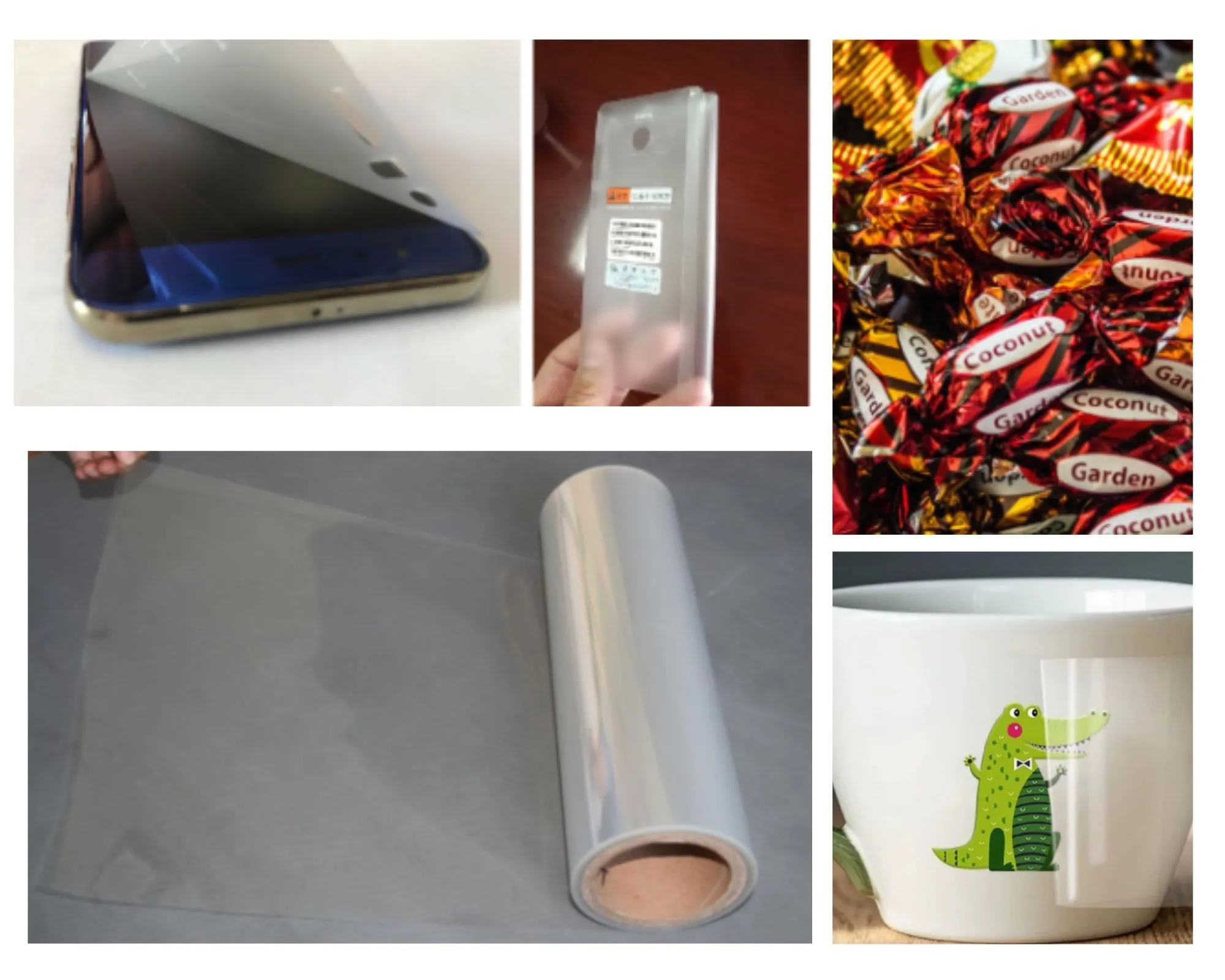
PET films are commonly used in many industries because of their versatile properties. Below, we point out their key functions.
Food and Beverage Packaging
PET films are widely used in the food and beverage sector due to their excellent barrier features and clarity. They are typically used for packaging snacks, baked goods, beverages, and other perishable goods that need protection from moisture, oxygen, and contaminants.
Electronics Packaging
PET films are used in the packaging of electronic components, offering protection against moisture, dust, and static electricity. Their strength and dimensional stability ensure that delicate components stay secure during transport and storage.
Textile Packaging
The textile industry uses PET films for packaging garments, fabrics, and other textile items. Their transparency allows consumers to see the product inside, while their moisture resistance protects the contents from damage.
Which PET Film Should You Choose?
- For Beginners: Start with Single-Sided Cold Peel. It’s the most forgiving and cost-effective way to learn the nuances of heat pressing without risking ruined garments.
· For Industrial/High-Volume Shops: The Double-Sided Heat Film is the clear winner. The double-coating ensures your roll-to-roll printer never slips, and the hot peel capability cuts your labor time in half.
- For High-End Boutique Brands: Use Double-Sided Cold Peel to achieve that premium, soft-touch matte finish that customers expect from luxury streetwear or high-quality performance wear.
Contact our team to discuss your specific plastic film needs.
Frequently Asked Questions: