English
  Arabic
  Chinese
  French
  German
  Portuguese
  Russian
  Spanish
  Polish
  Italian
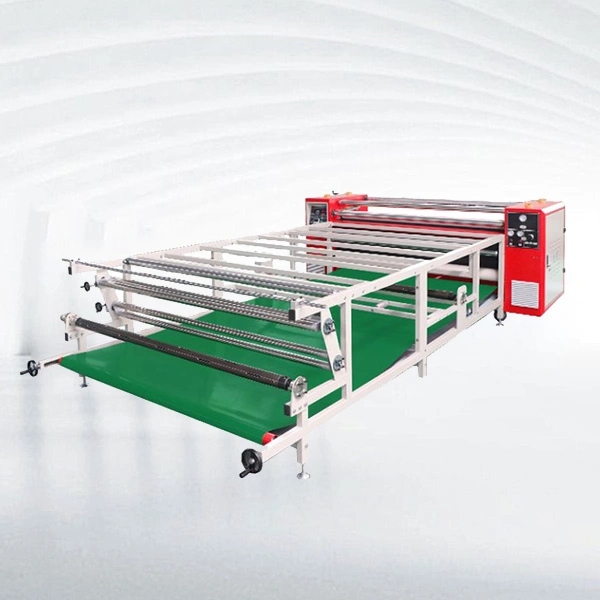
Introduction to Roller Heat Transfer Machine Technology
Imagine transforming a plain roll of fabric into vibrant, durable prints that stand up to washes and wear—that’s the magic of roller heat transfer machines. These workhorses use high-temperature drums to fuse sublimation inks onto textiles, creating sharp, colorful designs perfect for everything from custom T-shirts to large banners. If you run a small workshop or scale up to industrial production, picking the right machine means higher output, fewer errors, and prints that wow your customers. You save time on setup and boost profits with consistent quality.
Let us share a quick story. A few years back, I visited a bustling textile hub in Zhejiang, China, where factories churned out endless rolls of patterned cloth. One company caught my eye: they handled massive orders without a hitch, thanks to reliable gear that just kept going. That company? Holdwin , a powerhouse in heat transfer tech from Shaoxing Zhiyu Digital Technology Co., Ltd. Founded on smart engineering, Holdwin crafts machines that blend precision with toughness—think Teflon-coated rollers that resist wear and PLC touchscreens for dead-simple controls. Their lineup spans entry-level setups for hobbyists to beasts that print 800 meters per hour. What sets them apart? Custom solutions for global brands, plus features like auto-felt correction that keep runs flawless. If you’re eyeing gear that pays for itself fast, Holdwin delivers. In this guide, we’ll break down what matters most so you pick a machine that fits your workflow like a glove.
Now, let’s dive into the essentials. We’ll cover key specs, match them to your goals, and spotlight models that shine. By the end, you’ll know exactly how to level up your printing game.
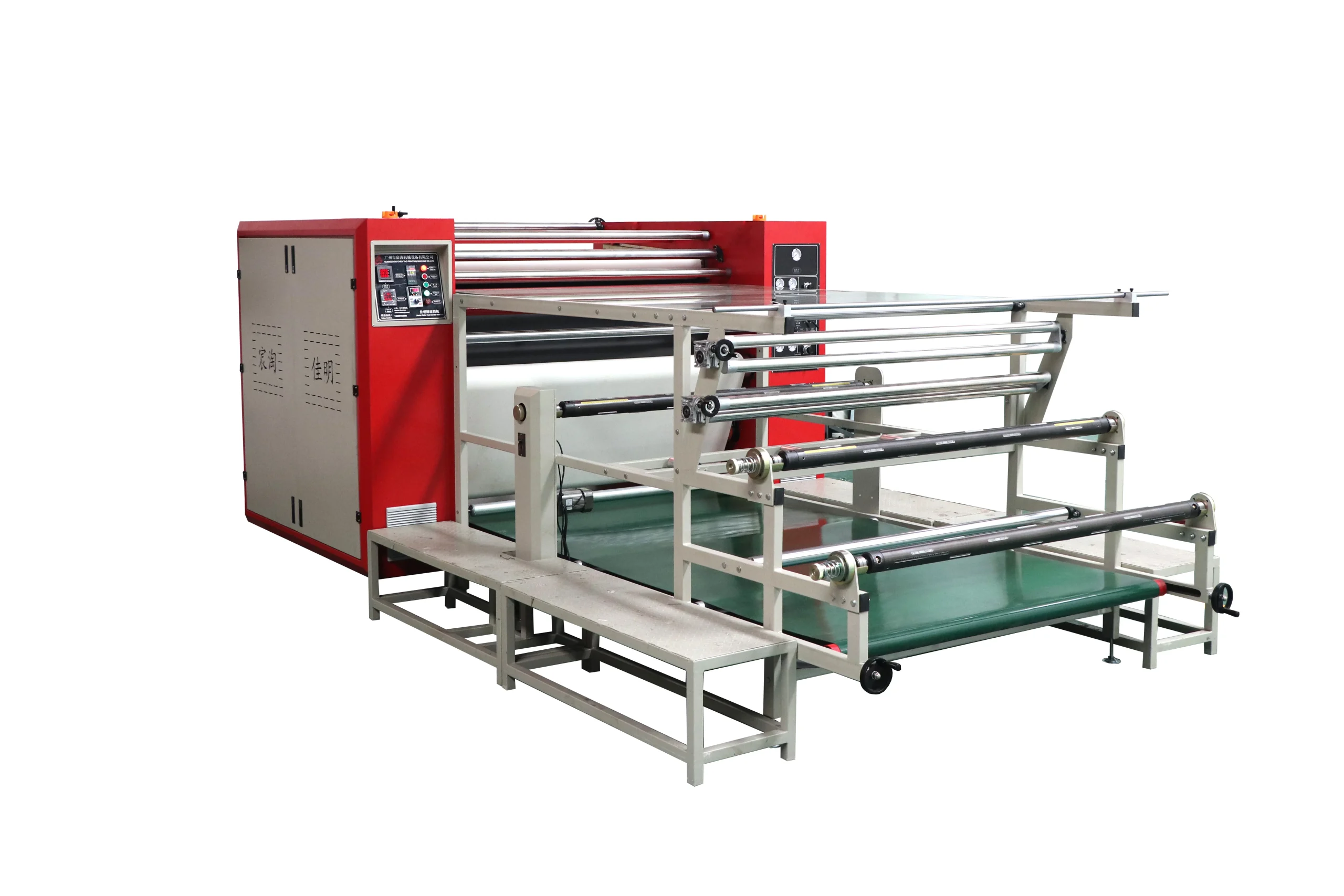
Key Factors to Consider When Choosing a Roller Heat Transfer Machine
You face choices galore in this space—small drums for ribbons or giants for yardage. Focus on factors that align with your daily grind. Start with basics like size, then layer in performance tweaks. Each pick ties back to smoother operations and sharper results.
Roller Diameter and Transfer Width: Match to Your Materials
First things first: size dictates what you can print. A machine’s roller diameter sets the heat contact area, while transfer width handles fabric breadth. Go too small, and you wrestle with narrow rolls; too big, and it hogs space or drains power.
For starters, eye models with 200mm diameters and 1200mm widths. These suit narrow jobs like lanyards or ribbons—think event badges or gift wraps. You feed in slim materials, hit precise alignment, and output at steady paces without waste. Scale up to 420mm drums with 1700mm widths for apparel rolls. Here, you process adult-sized fabrics effortlessly, cutting setup swaps.
Bigger needs? 800mm diameters paired with 3200mm widths tackle banners or upholstery. These beasts manage heavy loads, like polyester yardage for curtains, at full speed. Pick based on volume: if you print 100 meters daily, stick under 2000mm width. For bursts over 500 meters, max out at 3200mm. This keeps your floor plan sane and energy bills low. Remember, wider means more versatility, but check your space—some units top 4 meters long.
Power, Voltage, and Temperature Range: Ensure Reliable Heating
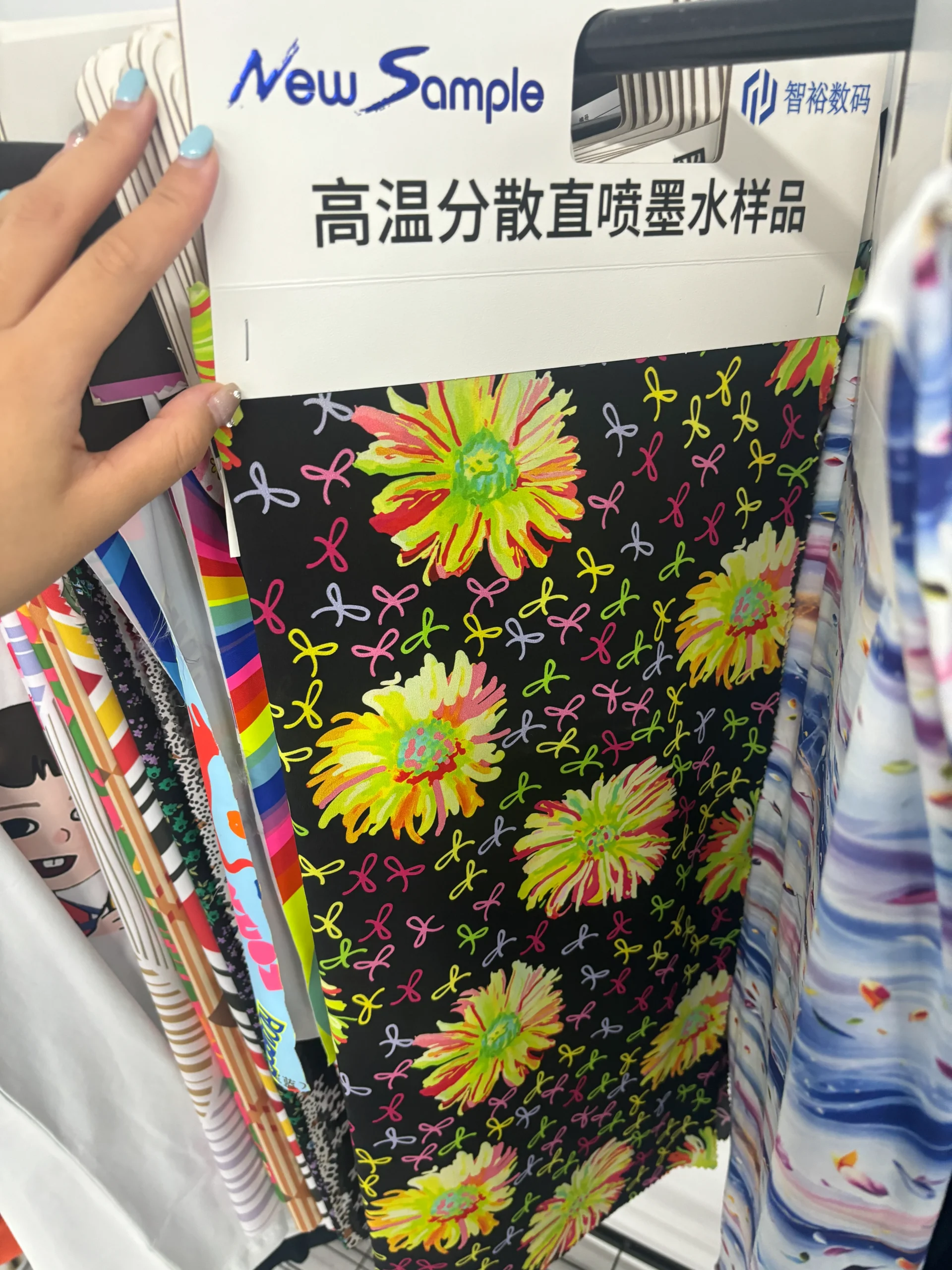
Heat is king in transfers—too low, colors fade; too high, fabrics scorch. Look for 5-140kW power ratings and 0-400°C ranges. Entry models at 220V/5kW warm fast for small runs. You flip a switch, reach 180°C in minutes, and print without lags.
Industrial picks run 380V/50kW+, handling thick textiles like tents. Stainless steel tubes heat oil layers evenly, so no hot spots ruin edges. Voltage matters too: 220V fits home shops; 380V powers factories. Aim for PID controls—they hold temps steady at ±1°C. This means crisp sublimation every time, even on marathon shifts.
You gain peace of mind with quick recovery. Say you pause for tweaks; the drum rebounds fast, keeping momentum. Factor in your grid—mismatch voltage, and you risk trips or fires. Solid builds like these last 10+ years, slashing downtime.
Speed and Tension Control: Boost Your Output
Nobody wants a slowpoke. Speeds from 100-800m/h let you match pace to precision. Basic units hit 100m/h for detailed ribbons—ideal if quality trumps quantity. Ramp to 350-500m/h on 800mm models for steady apparel flow.
Tension systems shine here. Pneumatic setups keep fabrics taut, preventing wrinkles or slips. Double in/out feeds cut roll changes by half—you load front, unload back, and roll on. Auto-correction for felts dodges drifts, so alignments stay laser-sharp.
Picture this: you crank speed for bulk orders, then dial back for fiddly patterns. Features like foot pedals or touchscreens make it intuitive. Result? Double your daily yield without extra hands. Tie this to your goals—if custom work dominates, prioritize control over raw mph.
Ease of Operation and Safety Features: Keep It Simple and Secure
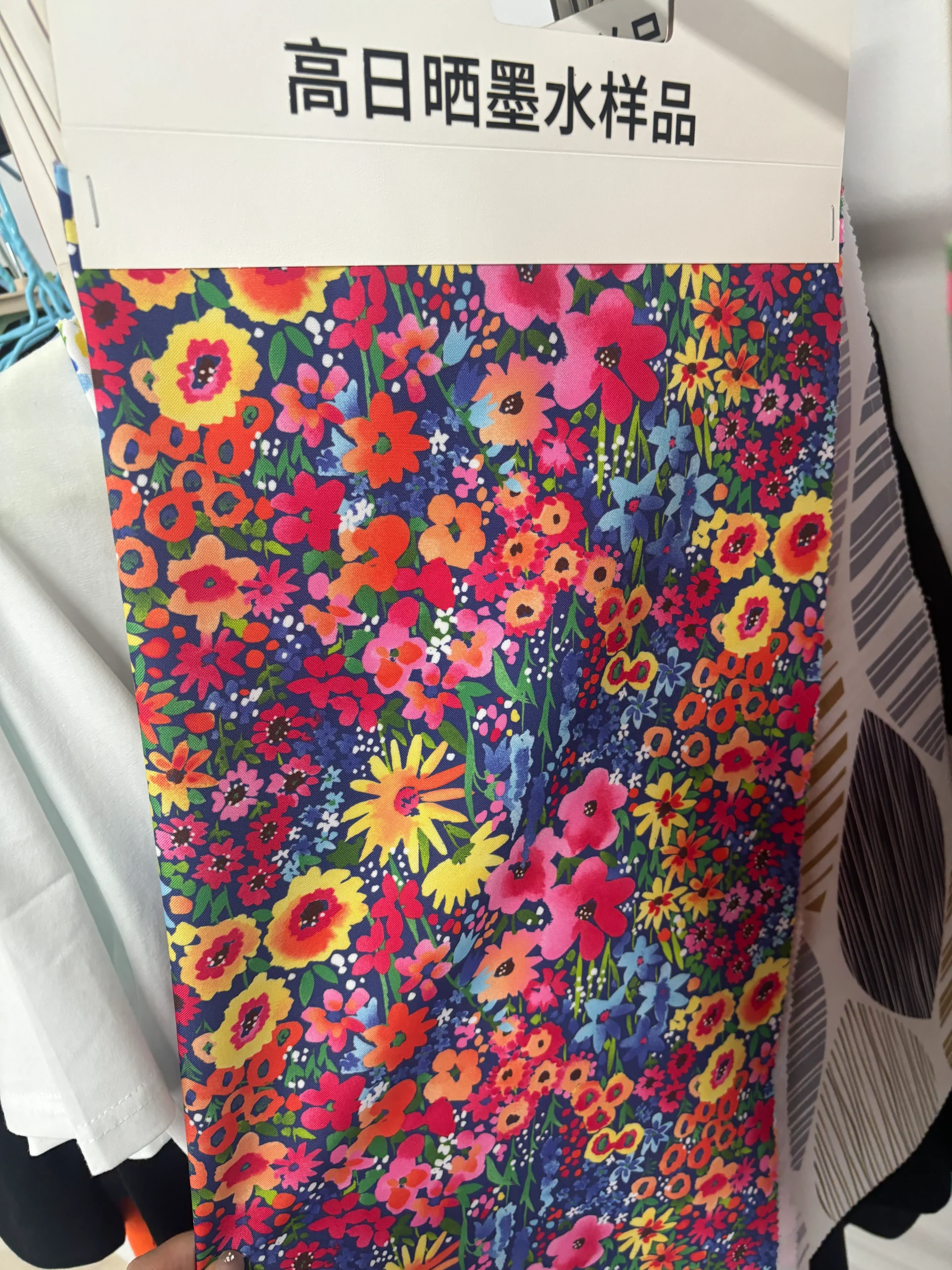
You shouldn’t fight your machine. Seek PLC touchscreens for one-tap settings—speed, temp, tension all at your fingers. Slide rails or gluing rollers ease loading, cutting strain on long days.
Safety first: emergency stops, far-infrared sensors, and remote shutoffs guard against mishaps. High-temp gloves and enclosed drums shield hands. For ribbons, positioning designs nail alignments without guesswork.
These touches lower your learning curve. New hires onboard in hours, not days. Plus, compact footprints (under 2m wide for midsize) fit tight shops. You focus on designs, not babysitting gear.
Durability, Maintenance, and Cost-Effectiveness: Invest for the Long Haul
Cheap breaks fast. Opt for Teflon rollers and thickened blankets—they shrug off 100,000+ cycles. Copper conductive rings simplify temp tweaks, with easy swaps.
Maintenance? Auto-oiling shafts and modular parts mean quick fixes. No downtime surprises. Costs start at entry-level (under $5K for small) to $50K+ for pros. Calculate ROI: faster speeds pay back in months via higher volumes.
You balance upfront hit with lifespan. Add-ons like imported winders extend reach. This setup minimizes repairs, maximizes uptime.
Top Recommendations: Models That Deliver for Your Needs
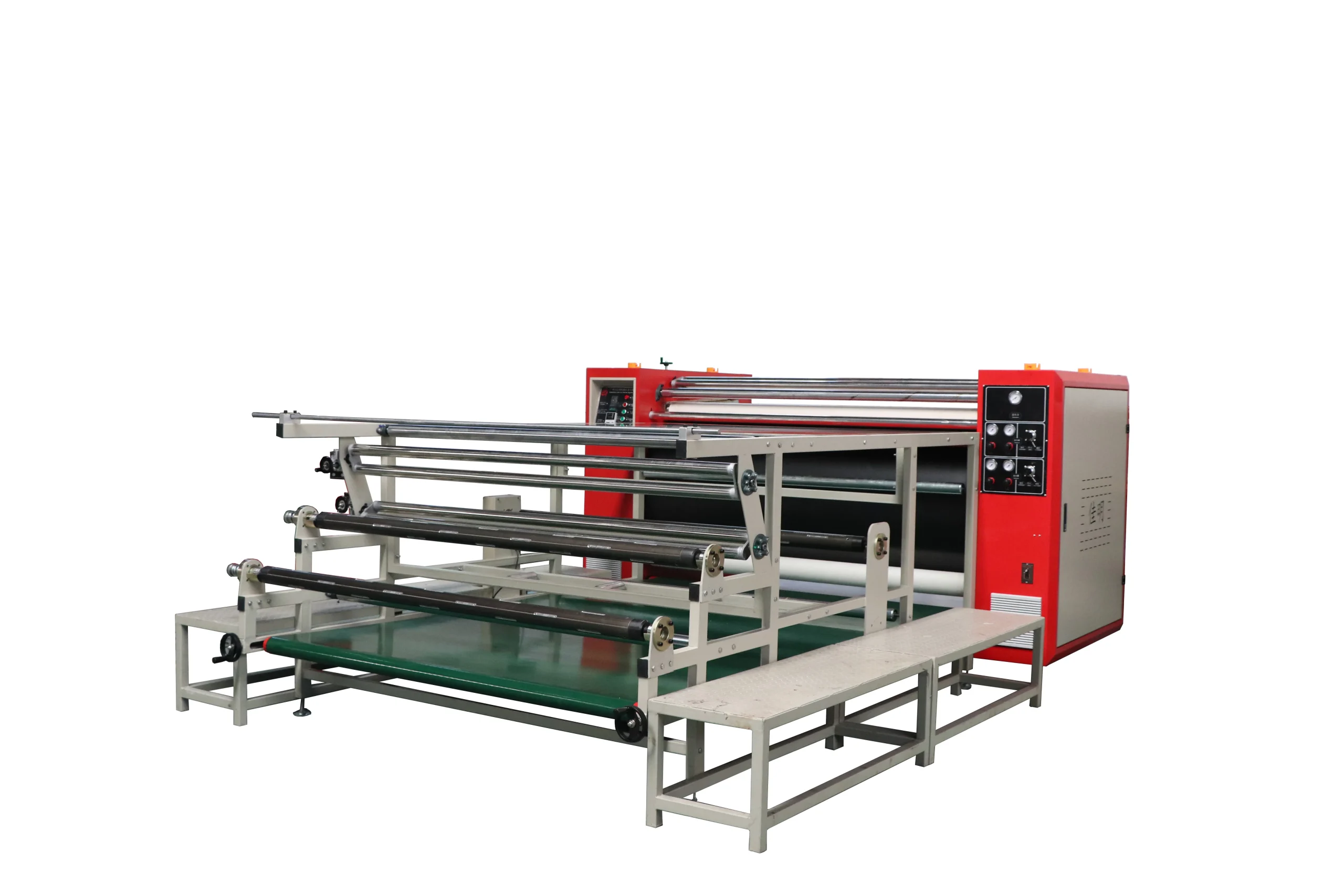
Narrow it down with real picks. We’ll compare based on scale, weaving in complements for hybrid setups.
For entry-level or narrow work, the 200*1200 model stands out. At 200mm diameter and 1200mm width, it powers 5kW jobs on 220V. You print lanyards or ribbons at even speeds, with Teflon heating for clean releases. Weight under 500kg makes it movable—perfect for pop-up shops. Pair it with the HW-420Z for flat T-burstshirts; that combo handles diverse orders without overlap.
Step up to midsize: the 600*1800 shines for apparel. 600mm drum, 1700mm width, 35kW pull delivers 150m/h. Three air shafts and auto-tension keep rolls wrinkle-free. You tackle home textiles or banners, with 0-400°C for varied inks. Foot pedals add control for solo runs.
High-volume pros love the 800*3200. 800mm diameter, 3200mm width, 120kW beast cranks 350-500m/h. Four shafts, oiling devices, and pedals support non-stop shifts. It devours yardage for upholstery or flags—your output soars.
For ultra-wide, the 1000*3200 tops charts. 1000mm drum pushes 600-800m/h at 140kW. Package under 5m fits factories; speeds crush deadlines.
The 1200-200 lanyard specialist? Niche gold. 200mm diameter, 1200mm area on 380V/6kW. You align prints on slim bands flawlessly, with stainless heating for longevity.
Fancy upgrades? The 1900-600F adds PLC smarts and high-density blankets. 610mm diameter, 1200mm width, 45-15kW variable power hits 200-380m/h. Far-infrared correction and gluing rollers boost transfer rates to 98%. Scale to 1900-800F for 800mm drums and 300-550m/h—ideal if you mix speeds.
Compare quick: Small (HOLDWIN-200*1200) for flexibility ($ low, speed modest); large (HOLDWIN-1000*3200) for scale ($ high, output max). All share CE nods for global plug-and-play. For flat complements, the HW-800 slots in seamlessly, bridging rolls to singles.
Conclusion
There you have it—a roadmap to the roller machine that fuels your textile dreams. Nail size for materials, power for heat, speed for flow, and features for ease. Durable picks like these turn headaches into highlights, with prints that last and profits that grow.
Ready to print? Grab a model that fits—start small, scale smart. Contact Holdwin .