How to Print Custom Sublimation Football Jerseys & Team Uniforms?

How to Print Custom Sublimation Football Jerseys & Team Uniforms?

To print custom sublimation football jerseys, you need polyester fabric, a finished jersey design, sublimation ink, transfer paper, and suitable heat transfer equipment. The basic process is straightforward: prepare the artwork, print it onto transfer paper, apply heat and pressure, then cut and sew the fabric into uniforms.

The details matter when you’re handling a full team order. Every jersey may have a different name, number, and size, but the colors and logo positions still need to match. A good printing setup makes that work much easier.

Why Choose Sublimation Printing for Football Jerseys?

Football jerseys need to feel light and comfortable during movement. They also need graphics that can handle regular washing.

Sublimation works well because heat transfers dye into polyester fibers instead of leaving a thick printed layer on the surface. You can print large patterns, gradients, team logos, and numbers without changing the fabric’s basic texture.

It’s useful for a sports sublimation t shirt as well. You can produce matching training shirts, warm-up clothing, and match uniforms using the same printing process.
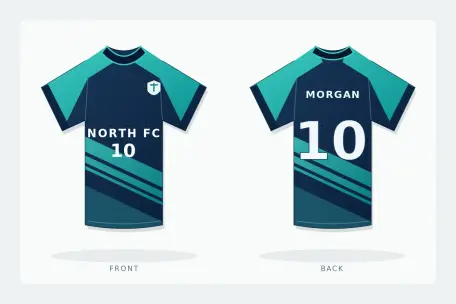
sublimation jersey

How to Prepare a Sublimation Football Jersey Design?

Before sending anything to the printer, check your fabric and artwork. A small mistake in either can affect the entire batch.

Choose the Right Fabric and Layout

White or light-colored 100% polyester is usually the safest option for sublimation. High-polyester blends can also work, but colors may look less vivid.

Your sublimation football jersey design should include the front, back, sleeves, player names, and numbers. Leave enough bleed around the cutting lines, especially when the pattern runs across seams.

Prepare the Artwork for Printing

Use clear vector logos and correctly sized jersey templates. Check the spelling of every player name and make sure the numbers match the approved roster.

Set up the appropriate color profile and mirror the artwork for face-down transfer. If you’re new to the process, our guide on how to sublimate a shirt step-by-step covers the basic preparation and pressing workflow.

How to Print and Transfer Custom Football Jersey Designs?

Once the files are ready, you can start production. Printing and heat transfer are separate stages, and both need proper settings.

Print the Design onto Transfer Paper

Load sublimation paper into the printer, check the nozzles, and run a test print before starting the full order.

At HOLDWIN, we provide sublimation printers and related consumables for textile printing. Our Sublimation Paper comes in several weights, while High Concentration Sublimation Ink 5L is available for commercial printing.

Paper tension, ink flow, and drying need attention during long runs. You can find practical operating checks in our guide on how to operate a large format sublimation printer.

Transfer, Cut, and Sew the Fabric

Place the printed paper against the polyester and apply the heat, pressure, and contact time recommended for your materials. Test a small section first.

For continuous production, a rotary heat press can be used to transfer jersey panels from printed paper onto polyester fabric. Keep the temperature, pressure, and transfer speed consistent, and check the first sample before starting the full run.
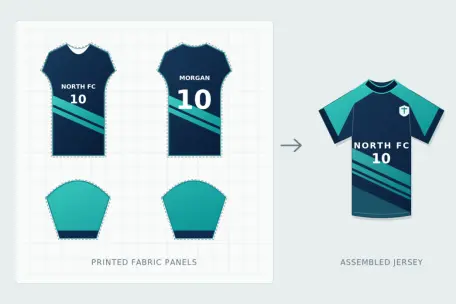
jersey printing

After transferring, let the fabric cool, cut the panels, and sew the jerseys. Check that stripes, logos, and numbers line up correctly before completing the full batch.

Which Sublimation Printer Fits Your Football Jersey Orders?

The right printer depends on how much you produce. We offer several configurations, so you can choose a machine that fits your current workload rather than buying capacity you won’t use.

Smaller Custom Orders

The HOLDWIN-1802TX uses two I3200-A1 printheads and supports printing widths up to 1820 mm. Its published 2-pass speed reaches 80 m²/h.

It’s a practical option when you’re producing smaller team orders, personalized training shirts, or regular short runs.

HOLDWIN-1802TX

Growing Sportswear Production

The HOLDWIN-1804TX PRO uses four I3200 printheads and reaches a published 2-pass speed of 120 m²/h.

We recommend considering this model when your order volume increases. Its adjustable pressure rollers, automatic cleaning system, and continuous ink supply help support longer printing sessions.
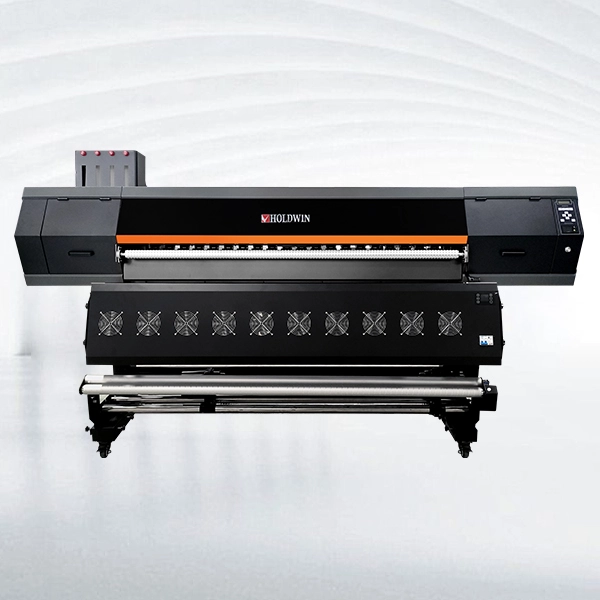
sublimation 1804tx

Large Team Uniform Orders

For higher printing volumes, the HOLDWIN-1808TX offers eight I3200-A1 printheads and an industrial roll-to-roll printing setup.

sublimation 1808

It suits businesses handling large jersey orders, multiple team designs, or regular sportswear production. You’ll still need enough heat transfer and sewing capacity to keep up with the printer.
How to Avoid Common Jersey Printing Problems?

Color differences, blurred edges, and misplaced graphics can make finished uniforms look inconsistent. Most of these problems are easier to correct before production begins.

If colors look dull, check the fabric composition, ink compatibility, and transfer settings. If you see ghosting, make sure the paper cannot move during pressing. A printed sample should be checked after transfer, not just while it’s still on paper.

For personalized orders, keep an approved roster and save the production settings. This makes replacement jerseys and repeat orders much easier to manage.

Conclusion

Good football jersey printing starts with the right fabric and accurate artwork. Stable sublimation printing, controlled heat transfer, and careful garment assembly help you produce uniforms that look consistent across the whole team.

At HOLDWIN, we offer printing equipment for different production requirements, from smaller customized orders to large textile jobs. You can review our service and technical support and contact our team to discuss suitable equipment for your jersey production plans.

More Posts

Send Us A Message