English
  Arabic
  Chinese
  French
  German
  Portuguese
  Russian
  Spanish
  Polish
  Italian
Introduction: The Evolution of Digital Sublimation Ink Technology
In the digital textile production world, your output quality is directly tied to your chemistry. Sublimation ink is the essential ingredient that makes it possible for designs to move from a digital screen to vibrant, permanent prints on fabrics, mugs, and signage. The sublimation process—where heat turns specialized dyes into gas—allows the ink to bond with polyester fibers or polymer-coated materials at a molecular level.
At HOLDWIN, we know that top-notch sublimation ink is what powers your printer. Whether you’re kicking off a custom apparel business or growing an industrial fabric line, it’s crucial to choose an ink system that balances fluid dynamics with color brilliance to cut down on downtime and boost profits.
Core Working Principle: How Modern Sublimation Ink Systems Function
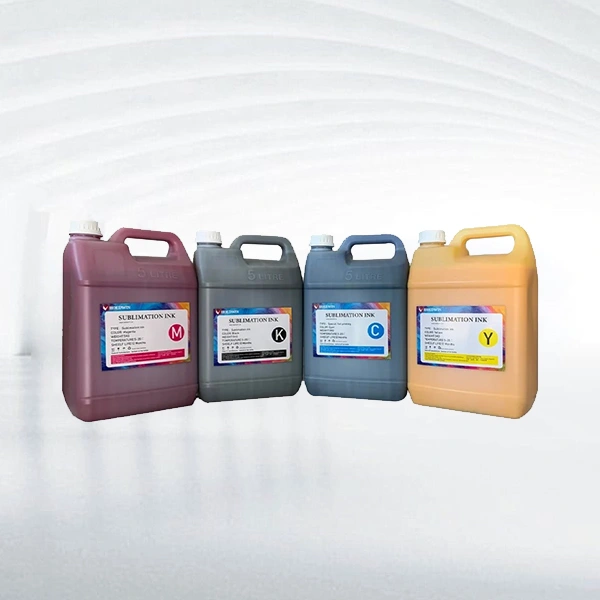
The effectiveness of a sublimation ink system depends on its formulation. Modern inks utilize a high-purity dye base suspended in a water-based carrier.
Nano-Scale Filtration: Quality sublimation ink features nano-sized particles to ensure a smooth, consistent flow. This precision prevents “nozzle dropouts” and printhead clogging, which are common issues with lower-grade alternatives.
Color Gamut Expansion: Beyond the standard CMYK set, HOLDWIN systems support extended gamuts—including fluorescent oranges and greens—to give your business a competitive edge.
Eco-Friendly Standards: Our sublimation ink is formulated to meet strict safety standards, such as being free of phthalates and low in VOCs, ensuring that your final products are skin-safe and environmentally responsible.
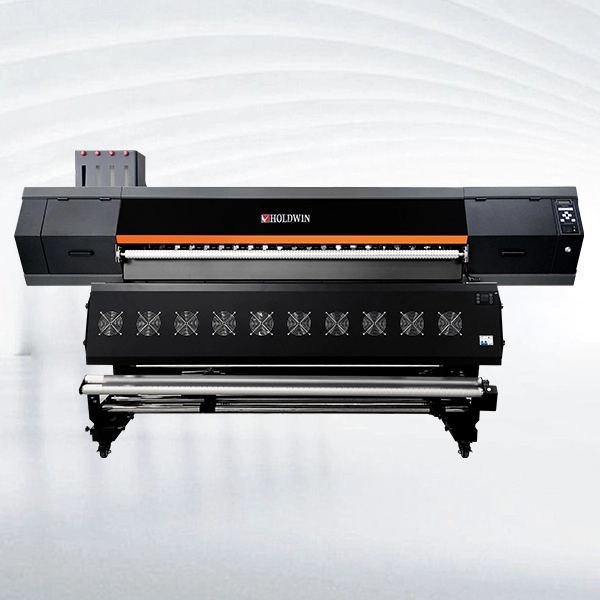
When you match this with a good printer, things get better. Look at a unit built for steady work, like the HOLDWIN-1804TX which features four high-speed printheads, our sublimation ink maintains stability even during 24/7 production cycles.
Compatibility and Seamless Integration with Digital Printers
A major advantage of the HOLDWIN ecosystem is the seamless integration between the hardware and the sublimation ink.
Best Practices for Sublimation Ink Maintenance
To get the most out of your sublimation ink system, follow these professional guidelines:
Climate Control: Maintain a stable temperature and humidity in your print room to keep ink viscosity consistent.
Dust-Free Environment: Dust is the enemy of fine printing; keeping your workspace clean ensures the sublimation ink flows perfectly through the lines.
Regular Exercise: Even on off-days, run a quick test print to keep the sublimation ink from settling in the dampers or printheads.