What is DTF Printing and How Does it Work?
DTF printing is a cool way to put designs on clothes. You print a picture on a special film. Then, you add sticky powder. After that, you press it onto the fabric with heat. This makes a bright, strong design that sticks nicely. Unlike old ways, DTF printing doesn’t need extra steps or special fabrics. It’s easy and works on lots of materials.
💡 DTF Essentials & Guides
The Process | How Traditional DTF Printing Works (Step-by-Step) 🔄
Equipment | Key Features of Modern DTF Printers Explained ⚙️
Consumables | Choosing the Right PET Film: Coatings & Tear Methods 🎞️
Key Advantages of DTF in Textile Printing
DTF printing is super popular because it has many good points. First, it makes colors pop and look sharp. This is great for tricky designs. Second, it works on cotton, polyester, and mixed fabrics. Third, you don’t need to prep the fabric or set up a lot. This saves time. Also, the designs last a long time. They don’t fade or wear out after washing.
Solving the “Polyester Problem”
Polyester is popular for its strength and lightweight feel, but its smooth, synthetic surface is notoriously difficult to print on. Standard inks often fail to stick or suffer from “dye migration” —where the fabric color bleeds into the design.
DTF technology solves this by using specialized inks and a powerful TPU adhesive powder that creates a secure barrier. During the heat-press stage, the design bonds deeply to the fibers, blocking dye migration and ensuring a crisp, permanent finish.
The Solution for Dark & Black Polyester
Sublimation is a transparent process; it cannot “cover” a dark surface. If you need a bright, multi-color design on a black compression shirt or a navy tracksuit, sublimation simply won’t work.
DTF utilizes a high-opacity white ink underbase. This allows for photographic-quality prints and neon colors to stand out vividly against any fabric color, providing a level of design freedom that was previously impossible for polyester decorators.
⚡ Performance & Durability
Cost Savings | DTF Ink Management: Reduce Waste & Lower Cost-Per-Print 💰
Troubleshooting | Fixing Common Adhesion & Peeling Issues on Synthetic Fabrics 🛠️
Ink Quality | Why High-Pigment Inks are Critical for Wash Resistance 🧪
Practical Applications of DTF in the Polyester Industry
Revolutionizing Sportswear
DTF is a game-changer for activewear , delivering vibrant, high-resolution designs on jerseys, hoodies, and gym gear. It prevents “dye migration,” ensuring logos stay crisp and colors stay true. These flexible prints withstand the intense stretching and frequent laundering of high-performance sports.
To get the best results on heat-sensitive polyester, we recommend using a “Cool Peel” DTF film. This allows the fabric to cool down completely before the film is removed
Enhancing Home Decor
Beyond clothing, DTF is ideal for custom polyester home goods like pillows, tablecloths, and curtains. It produces sharp, photographic quality that is naturally water and oil-resistant—perfect for high-traffic areas like kitchens or outdoor patios where durability is key.
Elevating Promotional Goods
DTF offers unmatched versatility for branding polyester accessories like bags, lanyards, and hats. It provides a consistent look across various surfaces, ensuring brand identity remains uniform. These prints are built to last, resisting cracks and peeling even after long-term use.
🔄 Technology Comparisons
New Innovation | What is No-Powder DTF and How Does it Change Your Workflow? ✨
Fabric Versatility | DTF vs. Traditional Methods: Why DTF Wins on Synthetic Blends 👕
Holdwin Pro Tips
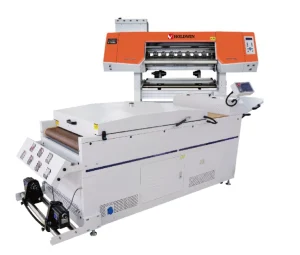
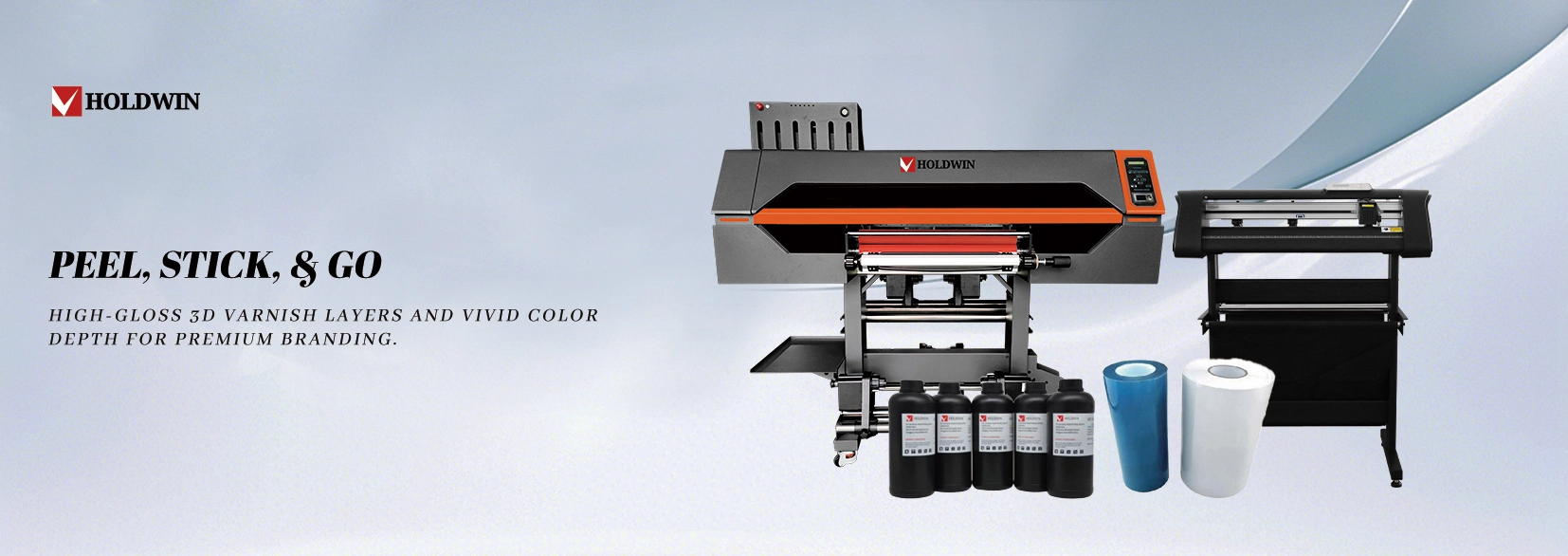
To get the best polyester prints with Holdwin’s DTF tools, pick the right printer. The HOLDWIN-620 Pro is great for big jobs and exact designs and DTF604-800S
Efficiency Tip: The “Gang Sheet” Strategy
For all these applications, the most practical way to reduce costs is by using gang sheets. By ganging up multiple designs—such as a small chest logo for a shirt, a long strip for a lanyard, and a square design for a tote bag—onto a single meter of film, you can maximize your material usage and significantly lower your cost-per-print
Frequently Asked Questions:

Yes! The special sticky powders in DTF printing stick well even on rough surfaces.
Things like multiple print heads, auto-feed systems, and fast printing make them great for big jobs without losing quality.
Clean the print heads often. Keep the room at the right temperature and humidity. This keeps the printer working great for a long time.