English
  Arabic
  Chinese
  French
  German
  Portuguese
  Russian
  Spanish
  Polish
  Italian
Picture your brand’s logo leaping off the fabric, grabbing attention with a bold, tactile design. This is where Holdwin , a leader in advanced printing solutions, excels. Their skilled engineers craft user-friendly machines that deliver vibrant, durable logos on various materials, slashing costs and speeding up production. Whether you’re a small boutique or a large factory, their tools, like the HOLDWIN-620 Pro UV printer , streamline your workflow for custom, eye-catching results. They make it simple to create standout products in today’s personalized market. Let’s dive into how this cutting-edge technology compares to older methods, helping you choose the best path for your creative goals.

This exciting approach sets the stage for deeper exploration.
How 3D Stereoscopic Printing Works
Instead of relying on thread or physical molds, stereoscopic printing uses specialized UV ink. Using vector design software, artwork is layered digitally to instruct the printer exactly where to stack the ink.
As the printer lays down successive layers of white ink, color, and a protective varnish, high-intensity UV lamps instantly cure (harden) each pass. This micro-layering builds precise physical height with exceptionally sharp edges. The completed design can then be seamlessly transferred onto various fabrics—like cotton, polyester, or nylon—using a quick 10-second heat press at around 120°C (248°F) without damaging the material.
🚀 Tech Insight: To achieve these high-detail tactile effects, many businesses rely on an industrial UV DTF printer 🖨️. It allows for seamless direct-to-film transfers by layering white ink and varnish to build physical height.
Innovative Product Solutions
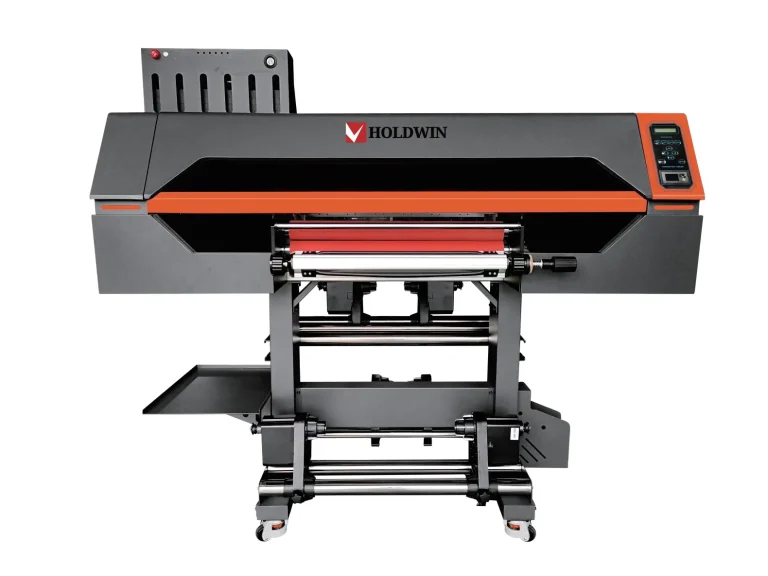
To bring this technology to your projects, you need reliable equipment. The HOLDWIN-620 Pro UV printer shines here. It uses three precise print heads for white, color, and varnish inks, crafting raised logos with ease. You get a 600 mm print width for flexibility, sharp 2400 dpi resolution, and speeds up to 7 square meters per hour. Its dual water-cooled lamps ensure consistent curing, so your designs stay flawless.
Other models, like flatbed printers with adjustable heads, let you print on curved surfaces. These machines support UV direct-to-film processes. You print layered designs, then transfer them with a quick 10-second heat press at 120 degrees Celsius. No molds are needed, saving you time and money.
These tools make stereoscopic printing practical. They align with the benefits we’ll compare next, showing how they improve efficiency and quality for your work.
Comparative Analysis: 3D Stereoscopic vs. Traditional Methods

| Metric | Traditional Methods (Molds / Embroidery) | 3D Stereoscopic Printing (UV DTF) |
| Set up cost | High | Near Zero |
| Minimum Order Quantity (MOQ) | High | Single-piece friendly |
| Turnaround Time | Days to weeks for mold creation and proofing | Minutes |
| Design Flexibility | Limited by needle thickness or mold constraints | Supports complex gradients and fine details |
🆚 Comparison: While 3D logos offer a unique tactile finish, you can compare this to other modern digital heat transfer technologies 🔄 to see which fits your specific production volume and budget.
Advantages of 3D Stereoscopic Printing Technology
Transitioning to a 3D digital printing system offers immediate practical benefits:
Drastically Lower Labor Costs: Because the ink management and curing are fully automated, a single operator can manage the entire process from design file to final print.
Unmatched Visual Flair: You aren’t limited to basic flat colors. The technology supports matte, high-gloss, frosted, and even metallic or bronzing effects to make premium sportswear or streetwear stand out.
Eco-Friendly and Scalable: Eliminating physical molds reduces material waste. Furthermore, modern UV inks satisfy strict environmental standards, ensuring your production line stays green whether you are producing a single custom jersey or thousands.
🎨 Business Strategy: Beyond logos, there are several creative ways to use UV DTF technology on promotional products 🎁 to significantly increase their perceived market value and brand appeal.
Conclusion
Stereoscopic logo printing changes the game for garment customization. It beats traditional methods in cost, speed, durability, and flexibility. You can create high-quality, eye-catching designs that elevate your brand and meet today’s demand for personalization. By adopting this technology, you position your business for success, delivering products that impress and endure.
This approach empowers you to stay ahead. It’s a practical way to enhance your offerings and grow in a competitive field.